The Alarming Connection Between Plastics and Preterm Birth
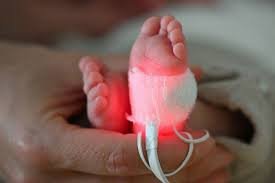
A groundbreaking new study reveals a disturbing link between two common chemicals used to make plastics more flexible – Di-2-ethylhexylphthalate (DEHP) and diisononyl phthalate (DiNP) – and a staggering number of premature births and newborn deaths worldwide. In 2018 alone, these chemicals were associated with nearly 2 million preterm births and the tragic loss of 74,000 newborns.
Understanding Preterm Birth
A baby is considered premature if born before the 37th week of pregnancy. According to the 2025 March of Dimes Report Card, approximately 1 in 10 infants in the US are born prematurely. The consequences of preterm birth can be significant, potentially leading to breathing problems, feeding difficulties, cerebral palsy, developmental delays, vision and hearing impairments, and other long-term health challenges, as highlighted by the US Centers for Disease Control and Prevention.
The Role of Phthalates
DEHP and DiNP belong to a family of synthetic chemicals called phthalates. These chemicals are known endocrine disruptors, meaning they interfere with the body’s hormone production. The National Institute of Environmental Health Sciences notes that phthalates are “linked with developmental, reproductive, brain, immune, and other problems.” Even minor hormonal disruptions can have profound developmental and biological effects.
“This is a dangerous class of chemicals,” emphasizes Dr. Leonardo Trasande, senior author of the study and a professor at NYU Langone’s Grossman School of Medicine. “In the context of all the efforts we’re taking to have more babies born in the United States, we should also make sure that babies are born healthy.”
A Call for Change: The Plastic Treaty
Dr. Trasande believes these findings strengthen the case for a global plastic treaty that limits the use of chemicals of concern commonly found in plastics. This treaty aims to address the widespread environmental and health impacts of plastic production and pollution.
Where are Phthalates Found?
Phthalates are often referred to as “everywhere” chemicals due to their pervasive use in a vast array of consumer products. You can find them in:
- Children’s toys and art supplies
- Food storage containers
- Vinyl flooring and shower curtains
- Garden hoses and medical devices
- Personal care products (deodorants, nail polish, perfumes, hair products, soaps, lotions) – often hidden under the term “fragrance”
- Plastic food packaging, including cling wrap
Beyond Preterm Birth: Other Health Concerns
Research has linked phthalate exposure to a range of health issues, including reproductive problems (genital malformations, lower sperm counts), childhood obesity, asthma, cardiovascular issues, and even cancer. A 2021 study co-authored by Dr. Trasande suggested phthalates may contribute to 91,000 to 107,000 premature deaths annually in the US among adults aged 55-64, particularly from heart disease.
How Phthalates Impact Pregnancy
Scientists are still investigating the precise mechanisms by which phthalates contribute to preterm births and infant deaths. However, research suggests they can disrupt placental function – a critical organ providing oxygen, nutrients, and immune support to the developing fetus. Jane Muncke, managing director of the Food Packaging Forum, notes that preterm babies are often exposed to even *more* plastics in neonatal wards due to the reliance on plastic tubing, highlighting the urgent need for safer materials in healthcare settings.
Inflammation and reduced placental adhesion to the uterine wall are also believed to play a role, potentially triggering uterine contractions and premature delivery.
Global Impact and Future Research
The study, published in eClinicalMedicine, analyzed data from 200 countries and territories in 2018. The burden of preterm health issues was particularly pronounced in Africa, the Middle East, and South Asia, regions with rapidly growing plastics industries and high levels of plastic waste.
While the study doesn’t definitively prove a direct causal link, it strengthens the evidence base for concern. Experts emphasize the need to consider phthalates as a class of chemicals, rather than focusing on individual compounds, to fully understand the overall risk.
What Can You Do?
While complete avoidance is difficult, there are steps you can take to minimize exposure:
- Choose personal care products labeled “phthalate-free.”
- Check ingredient lists for diethyl phthalate (DEP), dibutyl phthalate (DBP), and benzyl butyl phthalate (BBzP).
- Avoid microwaving or dishwashing plastic containers.
- Improve indoor air quality through ventilation and regular vacuuming.
Ultimately, experts agree that meaningful protection requires systemic change, including stronger regulations, safer product formulations, and improved environmental management.
Sign up for CNN’s Life, But Better newsletter for more information on improving your well-being.
© 2026 Cable News Network. A Warner Bros. Discovery Company. All Rights Reserved. CNN Sans ™ & © 2016 Cable News Network.