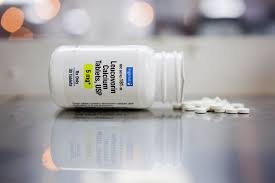
Leucovorin: Separating Fact from Fiction in Autism Treatment
The prescription drug leucovorin has recently been the subject of much discussion, particularly regarding its potential as a treatment for autism. While the US Food and Drug Administration (FDA) has approved an updated label for the drug, the reality differs significantly from initial suggestions made during a White House briefing in September. This article delves into the details of the FDA’s approval, the scientific evidence surrounding leucovorin, and the reasons behind the initial, and ultimately misleading, claims.
FDA Approval: A Targeted Treatment for a Rare Condition
On Tuesday, the FDA approved high-dose leucovorin – a B vitamin traditionally used to mitigate chemotherapy side effects – for the treatment of cerebral folate deficiency in the receptor 1 gene. This is a remarkably rare genetic condition, estimated to affect approximately 1 in 1 million people, with fewer than 50 cases identified globally. Dr. Marty Makary, FDA Commissioner, hailed the approval as a “significant milestone” for patients with this specific condition.
The Initial Claims and the Surge in Prescriptions
However, the narrative shifted in September when Dr. Makary and US Health and Human Services Secretary Robert F. Kennedy Jr. hinted at a broader application of leucovorin. During a White House briefing, Kennedy stated they had “identified an exciting therapy that may benefit large numbers of children who suffer from autism.” President Trump echoed this sentiment, expressing hope that the label change would “improve the lives” of children with autism.
This announcement led to a dramatic surge in leucovorin prescriptions in the following months, creating shortages and difficulties for patients seeking the drug. According to a study published in the Lancet medical journal, new prescriptions for leucovorin doubled in the weeks following the briefing.
Understanding Cerebral Folate Deficiency
Cerebral folate deficiency in the receptor 1 gene stems from a defect that impairs the transport of folate into the brain. This results in normal folate levels in the bloodstream but insufficient folate in the brain and nervous system, impacting cognitive function, speech, and movement.
The Science Behind the Claims: What Does the Evidence Say?
Initial optimism stemmed from the idea that 20-50% of children with autism might have antibodies blocking folate transport, potentially linking autism symptoms to an autoimmune condition. While leucovorin showed promise in improving speech for roughly 60% of children with folate deficiency and autism in small studies, the FDA’s subsequent review revealed a different picture.
Senior FDA officials clarified that the data supported approval only for the rare genetic form of folate deficiency. “Right now, we don’t have sufficient data to say that we can establish efficacy for autism more broadly,” stated a senior agency official. Furthermore, the largest randomized, double-blind, placebo-controlled trial testing leucovorin in children with autism was retracted due to data errors.
Expert Perspectives and the Reality of the Situation
Dr. I. David Goldman, a retired professor of medicine, emphasized that there is no overlap between the rare genetic folate deficiency and autism. He noted that leucovorin has been used to treat the genetic deficiency since 2009. He expressed concern that the initial claims had already caused distress among parents of autistic children.
Dr. Jeremy Faust, an emergency medicine physician, acknowledged the surge in prescriptions wasn’t surprising given the influence of the White House, but stressed that the evidence supporting leucovorin for autism treatment remains thin.
FDA’s Future Research and Approval Process
The FDA has no current plans to conduct its own studies on leucovorin for autism. The agency typically relies on randomized, placebo-controlled trials for drug approval, but such trials are challenging to conduct for this rare genetic condition due to the dramatic response seen in patients taking leucovorin. The approval was based on a systematic literature review, including case reports and mechanistic data.
This case highlights the importance of relying on robust scientific evidence and the potential consequences of prematurely promoting treatments based on limited data. While leucovorin offers hope for individuals with cerebral folate deficiency in the receptor 1 gene, its efficacy for autism remains unproven.
Source: CNN