When is Eid? Your Guide to Eid al-Fitr & Eid al-Adha in 2024
Eid is a time of joy, reflection, and community for Muslims around the world. But with the Islamic calendar being lunar-based, determining the exact dates can sometimes be tricky. This guide will provide you with the confirmed and projected dates for both Eid al-Fitr and Eid al-Adha in 2024, along with a deeper look into the significance of these important holidays.
What is Eid?
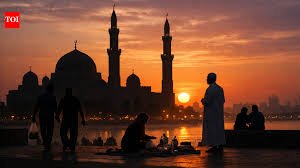
‘Eid’ translates to ‘festival’ in Arabic. It marks the end of significant periods of worship and fasting. There are two main Eids celebrated annually: Eid al-Fitr and Eid al-Adha. Both are deeply rooted in Islamic tradition and are observed with prayers, feasts, and acts of charity.
Eid al-Fitr: The Festival of Breaking the Fast
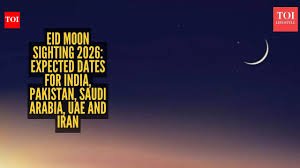
Eid al-Fitr marks the end of Ramadan, the holy month of fasting. It’s a joyous occasion celebrating spiritual renewal and gratitude. The date of Eid al-Fitr is determined by the sighting of the new moon, and therefore can vary slightly depending on geographical location.
**In 2024, Eid al-Fitr is expected to begin on the evening of April 9th and end on the evening of April 10th.** However, this is subject to confirmation based on the moon sighting. It’s always best to check with local Islamic authorities for the most accurate date in your region.
Eid al-Adha: The Festival of Sacrifice
Eid al-Adha commemorates the willingness of Ibrahim (Abraham) to sacrifice his son as an act of obedience to God. It’s a time for sacrifice, remembrance, and sharing with those less fortunate. Like Eid al-Fitr, the date of Eid al-Adha is based on the lunar calendar and the sighting of the new moon.
**In 2024, Eid al-Adha is expected to begin on the evening of June 16th and end on the evening of June 20th.** Again, this is a projected date and confirmation from local Islamic authorities is recommended.
How is Eid Celebrated?
- Special Prayers: Eid prayers are performed in mosques or large open areas, followed by a sermon.
- Feasting: Families and communities come together for elaborate meals, often featuring special dishes.
- Zakat al-Fitr: A charitable donation made before Eid al-Fitr, ensuring everyone can participate in the festivities.
- Gift-Giving: Exchanging gifts, especially with children, is a common tradition.
- Visiting Family & Friends: Strengthening bonds with loved ones is a central part of the Eid celebration.
Eid is a beautiful reminder of faith, community, and compassion. Whether you’re celebrating yourself or learning about the traditions, understanding the significance of ‘when is Eid’ allows for a greater appreciation of this important cultural and religious event. For more information on Islamic holidays, you can visit [The Muslim Council of Britain](https://muslimcouncil.org.uk/).