Suhoor Time: Welcoming the Holy Month of Ramadan in 2026
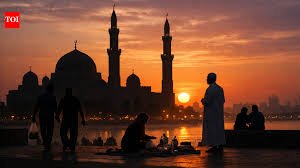
Exciting news for the global Muslim community! Moon sighting confirmations from Saudi Arabia indicate that Ramadan will commence at sundown on February 17, 2026. This marks the beginning of the holiest month in the Islamic calendar, a time of spiritual reflection, community, and devotion for nearly 2 billion Muslims worldwide, including the approximately 1% of Ohioans who identify as Muslim.
Understanding the Lunar Calendar and Ramadan’s Date
The start of Ramadan isn’t fixed on the Gregorian calendar. It’s determined by the sighting of the waxing crescent moon, a tradition deeply rooted in Islamic practice. The Islamic Hijri calendar follows a lunar cycle of 12 months, each lasting 29 or 30 days. Consequently, Ramadan shifts approximately 11 days earlier each year on the Gregorian calendar. This reliance on moon sighting emphasizes the importance of observation and confirmation, often relying on the expertise of trained moon spotters, particularly those in Saudi Arabia, as reported by Middle East Eye.
The Significance of Ramadan
Ramadan commemorates the revelation of the holy Quran to the Prophet Muhammad by the angel Jibril (Gabriel). It’s a month of heightened spiritual awareness and a time for Muslims to strengthen their faith. The observance isn’t exclusive to Muslims; non-Muslims are often welcomed to participate in Ramadan activities, fostering understanding and community spirit.
The Daily Rhythm of Ramadan: Suhoor and Iftar
A typical day during Ramadan is structured around two key meals. Before dawn, Muslims partake in Suhoor, a pre-fast meal providing sustenance for the day ahead. This is often a time for quiet reflection and preparation. As the sun rises, the fast begins, abstaining from food and water. The fast is broken at sunset with Iftar, a communal meal often shared with family and friends. Iftar is a joyous occasion, symbolizing gratitude and the blessings of the day.
More Than Just Fasting: Spiritual Practices During Ramadan
Ramadan is about more than just abstaining from food and drink. It’s a period of intense self-discipline, encouraging Muslims to practice self-control, gratitude, and compassion. Key practices include:
- Quran Recitation: Devoting time to reading and reflecting on the Quran.
- Charity: Giving to those in need (Zakat and Sadaqah).
- Avoiding Wrongdoings: Striving to refrain from negative behaviors and temptations.
- Taraweeh Prayers: Performing optional nightly prayers after the obligatory daily prayers.
During this time, greetings of “Ramadan Mubarak” (Blessed Ramadan) are exchanged, strengthening bonds within the community.
Who is Exempt from Fasting?
While fasting is obligatory for healthy adult Muslims, exemptions exist. Those who are ill, elderly, pregnant, breastfeeding, or traveling are excused. However, they are encouraged to participate in other aspects of Ramadan and, when able, to make up for missed fasts. For those unable to make up the fasts due to illness, Fidya – a donation to provide meals for those in need – is required.
Eid al-Fitr: Celebrating the End of Ramadan
The culmination of Ramadan is Eid al-Fitr, a joyous one-day celebration expected to begin on the night of March 18, 2026, according to Islamic Relief. Muslims gather at mosques for communal prayers, exchange greetings of “Eid Mubarak” (Blessed Eid), and celebrate with family and friends. Traditions include wearing new clothes, enjoying festive meals, and giving Sadaqah (voluntary charity).
Ramadan is a time of profound spiritual significance, community bonding, and charitable giving. As the 2026 observance approaches, may it bring blessings and peace to all.