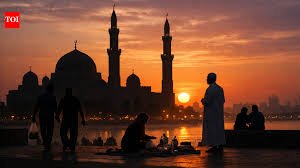
Eid al-Fitr 2026: Celebrating the End of Ramadan
Ramadan, a profoundly spiritual month for Muslims worldwide, marked by fasting, prayer, and reflection on the Quran, has been underway since mid-February. This period of devotion culminates in Eid al-Fitr, a joyous celebration signifying the ‘Festival of Breaking the Fast’. For Muslims, Ramadan is a time of spiritual renewal, with the belief that sincere observance leads to forgiveness from God for past transgressions.
Understanding Ramadan: A Month of Spiritual Significance
Ramadan holds a special place as the ninth month in the Islamic lunar calendar. Islamic tradition holds that during Ramadan, specifically on the ‘Night of Power’ (Laylat al-Qadr), God revealed the Quran to the Prophet Muhammad. This sacred night is commemorated during the last ten nights of Ramadan, often observed on the 27th night. This year, Ramadan began on the evening of February 17th, 2026.
What is Eid al-Fitr?
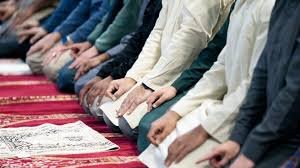
Eid al-Fitr marks the end of Ramadan and is one of the most important holidays in the Islamic calendar. It’s a time for expressing gratitude to God, strengthening community bonds, and sharing blessings. The celebration is characterized by special prayers, delicious foods, sweet treats, and the exchange of gifts, particularly for children. Community gatherings are also a central part of the festivities.
When is Eid al-Fitr 2026?
Eid al-Fitr 2026 is anticipated to fall on the night of March 19th or March 20th. The exact date depends on the sighting of the waxing crescent moon, a tradition deeply rooted in Islamic practice, as reported by Islamic Relief.
The Lunar Calendar and Islamic Holidays
Unlike the Gregorian calendar used by most of the world, Islamic holidays are based on the lunar calendar. This means the dates shift each year. Ramadan begins with the sighting of the new crescent moon, and the same principle applies to the commencement of Eid al-Fitr.
Observing Ramadan: Fasting and Beyond
Muslims who have reached puberty and are physically able are required to fast from sunrise to sunset throughout Ramadan. This involves abstaining from food, drink (including water), and sexual relations. Beyond physical fasting, Muslims are encouraged to refrain from negative behaviors such as gossiping, lying, and arguing, as highlighted by the Islamic Network Group. Many also dedicate more time to studying the Quran during this month.
As Imam Ebad Rahman, religious life associate for Muslim life at Columbia University, explained to USA TODAY, the purpose of fasting is to “cultivate awareness of God. Taqwa in Arabic.”
Wishing Well During Ramadan
If you have Muslim friends or colleagues, you can express your good wishes with phrases like “Ramadan Mubarak” (Blessed Ramadan) or “Ramadan Kareem” (Generous Ramadan). It’s considerate to be mindful of their fast, perhaps avoiding scheduling midday lunches during Ramadan. Offering coffee or breaks where they can join without being pressured to eat is a thoughtful gesture. Be understanding if their schedules are altered due to prayer or other religious obligations.
Participating in the Community: Iftar and Beyond
Many Muslims host Iftars – evening meals to break the fast – open to the wider community. Families and mosques also organize Iftars and food drives. If you’re invited to an Iftar, it’s considered a kind gesture to accept and even bring a dish to share. Those who are ill, pregnant, nursing, or traveling are exempt from fasting, as are children who haven’t reached puberty.
Eid al-Fitr Celebrations
Eid al-Fitr is a time for joy, gratitude, and community. It’s a celebration of spiritual accomplishment and a renewal of faith. The festivities often include special prayers, feasts, gift-giving, and visits with family and friends.