
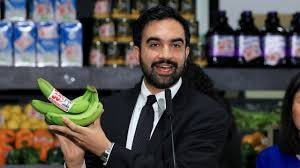
Zohran Mamdani’s Bold Grocery Plan: A Lifeline for New Yorkers or a Small Business Nightmare?
In a move that has ignited a fierce political and economic debate, New York City Mayor Zohran Mamdani has unveiled an ambitious plan to introduce government-run grocery stores across the five boroughs. While the initiative aims to combat rising food costs and increase accessibility, critics argue that the socialist-inspired approach could lead to a financial disaster for both the city and its local entrepreneurs.
The Vision: $70 Million for Publicly Funded Grocers
Mayor Zohran Mamdani, a prominent Democratic socialist, is pitching a radical solution to food insecurity. The city has already committed $70 million toward the construction of these stores, with the goal of having one operational in each of the five boroughs by 2030.
The core appeal of the plan is simple: affordability. Mamdani has stated that these city-run stores will set prices for a selection of essential goods at 30% below typical retail prices on a monthly basis. For many struggling families in NYC, this looks like a necessary intervention in a market where inflation has made basic nutrition a luxury.
The Backlash: Why Experts are Sounding the Alarm
Not everyone is convinced that the plan is sustainable. Rep. Mike Rulli (R-Ohio), whose family has deep roots in the grocery industry through the Rulli Brothers chain, has been one of the most vocal critics. Rulli warns that the mayor’s plan is an “illusion” that ignores the harsh realities of retail economics.
The Threat to Small and Immigrant-Owned Businesses
One of the primary concerns is the unfair competitive advantage a government-funded store would hold. Because the city can subsidize losses, private small businesses—many of which are owned by immigrants—may find it impossible to compete.
“You will put hundreds of these small businesses out of business,” Rulli warned, suggesting that Mamdani’s plan could inadvertently destroy the very community-based economies it claims to support.
The “Money Pit”: A Taxpayer Burden?
From a financial perspective, the grocery industry is notorious for having razor-thin profit margins. According to Rulli, while gross margins might hover around 27%, the net profit after expenses often drops to a mere 1.25% to 1.5%.
Critics argue that by intentionally pricing goods 30% below market value, the city is ensuring these stores will operate at a permanent loss. This means the “savings” for the consumer would actually be footed by the NYC taxpayer, potentially turning the stores into a massive financial drain.
A Clash of Ideologies
The conflict over Zohran Mamdani’s grocery plan is more than just a debate over food prices; it is a clash of economic philosophies. On one side, progressives see the government’s role as a provider of essential services to ensure equity. On the other, critics see a dangerous socialist experiment that threatens the free market.
The tension has already escalated, with the Multicultural Business Coalition reportedly threatening legal action to stop the initiative, arguing that the plan actively harms the diverse business landscape of New York City.
Final Thoughts: Can Public Grocers Actually Work?
As New York City moves toward the 2030 deadline, the world will be watching to see if Mayor Zohran Mamdani can defy economic gravity. Will these stores become a model for urban food security, or will they serve as a cautionary tale about the limits of government intervention in the private sector?
What do you think? Should the government intervene to lower food prices, or should the market decide? Let us know in the comments!



