
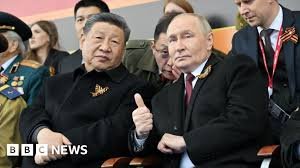
The Power Dynamic: Xi Jinping and Vladimir Putin Meet in Beijing
In a move that has captured the attention of global diplomats and analysts alike, Chinese leader Xi Jinping and Russian President Vladimir Putin have convened in Beijing for high-stakes bilateral talks. This meeting comes at a pivotal moment for global stability, raising critical questions about the nature of the bond between these two powerful figures.
Best Friends or Geopolitical Partners?
The core of the discussion surrounding the meeting revolves around a fundamental question: Is this a genuine friendship, or is it simply a calculated marriage of convenience? While the public imagery suggests a close personal rapport, the underlying drivers are deeply rooted in geopolitics. Both nations share a common interest in challenging the current Western-led international order, making their alignment a strategic necessity rather than a purely emotional connection.
To understand this relationship, we must look at several key factors:
- Shared Adversaries: Both China and Russia view the expansion of Western influence as a threat to their regional sovereignty.
- Economic Synergy: Russia’s vast natural resources complement China’s industrial appetite, creating a mutually beneficial economic loop.
- Diplomatic Leverage: By standing together, Xi Jinping and Putin increase their collective bargaining power on the world stage.
The Global Ripple Effect
This partnership does not exist in a vacuum. As the BBC has noted through its expert analysis, the synchronization between Beijing and Moscow can shift the balance of power globally. This is particularly relevant when considering the volatility of current international relations, including energy price spikes and diplomatic tensions in other regions.
While the world watches the warmth of their handshake, the real story lies in the policy agreements and the strategic coordination that emerge from these closed-door sessions. Whether it is a lifelong bond or a tactical agreement, the influence of Xi Jinping and Vladimir Putin will undoubtedly shape the geopolitical landscape for years to come.
Conclusion: A New Era of Diplomacy
The meeting in Beijing is more than just a diplomatic formality; it is a signal to the rest of the world. As Xi Jinping continues to steer China toward a more assertive global role, his relationship with Putin serves as a cornerstone of a multipolar world strategy. For global observers, the focus remains on whether this alliance will lead to greater stability or increased friction in international affairs.



