
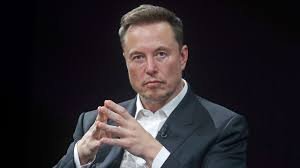
X (formerly Twitter) Under Scrutiny: Foreign Interference and Monetization Changes
Recent developments surrounding X (formerly Twitter) have brought the issue of foreign interference in U.S. elections and political discourse into sharp focus. A raid by Paris prosecutors, linked to investigations into X’s algorithm and the Grok chatbot, underscores the growing concern over content manipulation. This situation evokes a chilling parallel to historical scenarios where adversaries could exploit media to influence public opinion – a threat amplified exponentially by today’s social media landscape.
Allegations of a Foreign Influence Network
Alexis Wilkins, girlfriend of FBI Director Kash Patel, recently brought forth a detailed thread on X alleging a 22-month “foreign-linked influence network” targeting her and the Trump administration. Wilkins presented evidence suggesting coordinated online campaigns, originating from accounts linked to entities like Russia Today, aimed at discrediting her by falsely portraying her as an Israeli spy. While the evidence is complex, it points to inorganic growth and manipulation of online narratives.
This alleged network is also accused of undermining U.S. military efforts in Iran through similar tactics, applying pressure via artificially inflated online activity. The FBI has declined to comment on Wilkins’ claims, but the timing of X’s subsequent announcement regarding monetization changes is noteworthy.
X’s Response: Monetization Policy Updates
Just hours after Wilkins’ post, X Head of Product Nikita Bier announced updates to the platform’s monetization system, prioritizing “impressions from your home region.” Bier explicitly stated the goal was to “disincentivize gaming the attention of U.S. … accounts,” acknowledging the prevalence of foreign interference. However, X owner Elon Musk quickly put the changes on hold for review following concerns from users about potential income loss.
While the debate has centered on the impact on foreign accounts, the more significant consequence of this policy shift lies in its potential to disrupt the flow of funds to divisive American content creators amplified by foreign bot networks. These bot farms can artificially inflate the reach of anti-American posts, boosting the income of accounts without their knowledge, effectively funding the spread of propaganda.
The Asymmetric Information War
The situation highlights an asymmetric information war, where adversaries face virtually no barriers to manipulating the U.S. information ecosystem. X’s recent addition of country-of-origin labels for accounts, while a positive step, is easily circumvented by VPNs. Musk’s attempt to strike a balance between free speech and preventing X from becoming a platform for foreign propaganda is a complex challenge.
The Need for Action
The government must investigate the extent of foreign bot activity influencing U.S. political discourse, not to punish social media companies, but to hold the foreign actors accountable for their cyberwarfare tactics. Just as President Trump prioritized strong borders and protectionist trade policies, a strong defense of the American information ecosystem is now crucial. Without protecting our information, we risk losing the ability to protect anything else.
As David Marcus argues, a robust defense against foreign interference is paramount. The future of American democracy may depend on it.



