
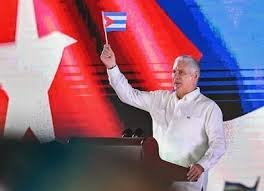
Who is the President of Cuba? A Deep Dive into Miguel Díaz-Canel’s Leadership
When discussing the geopolitical landscape of the Caribbean, one of the most frequently searched topics is the leadership of the island nation of Cuba. For those wondering, who is the President of Cuba? The current leader is Miguel Díaz-Canel, who assumed the presidency in 2018, marking a significant generational shift in the country’s political structure.
The Transition of Power in Cuba
For decades, Cuba was led by the legendary figures of the Cuban Revolution. The transition from Raúl Castro to Miguel Díaz-Canel was not just a change in personnel, but a symbolic move toward a new era of governance. Díaz-Canel was the first president of Cuba who was not a comandante of the revolution, signaling a move toward a more institutionalized administrative approach.
His presidency has been defined by the challenge of maintaining the socialist framework while attempting to modernize the state’s approach to the economy and social management.
Key Challenges Facing the Cuban Presidency
The President of Cuba currently navigates one of the most complex periods in the nation’s history. Several critical factors influence his administration’s decisions:
- n
- Economic Instability: Cuba has faced severe inflation and shortages of basic goods, exacerbated by internal inefficiencies and external pressures.
- International Relations: Managing the delicate relationship with the United States and the ongoing impact of the long-standing trade embargo.
- Social Unrest: Recent years have seen an increase in public demonstrations, with citizens demanding better living conditions and expanded political freedoms.
- Tourism Dependency: The struggle to rebuild the tourism sector, which is a primary source of foreign currency for the island.
The Role of the Communist Party
It is essential to understand that the President of Cuba does not operate in a vacuum. The Communist Party of Cuba (PCC) remains the sole legal political party and the guiding force behind national policy. While the President manages the executive branch, strategic directions are often aligned with the party’s central committee.
What Does the Future Hold for Cuba?
As Miguel Díaz-Canel continues his tenure, the world watches to see if Cuba will embrace further economic liberalization or double down on its centralized model. The balance between stability and reform remains the central theme of his presidency.
For those following global diplomacy and Latin American affairs, staying updated on the actions of the President of Cuba is key to understanding the shifting dynamics of the Western Hemisphere. For more detailed analysis on international relations, you can explore resources from Reuters World News.
Quick Summary: President of Cuba at a Glance
| Detail | Information |
|---|---|
| Current President | Miguel Díaz-Canel |
| Took Office | 2018 |
| Political Party | Communist Party of Cuba |



