
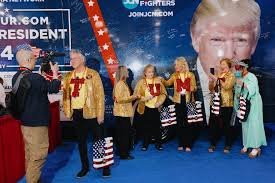
Understanding CPAC: A Deep Dive into the Conservative Political Action Conference
As the daughter of an American oil field worker who lived in Iran during the 1970s, Blake Zummo witnessed firsthand the escalating violence leading up to the Iranian Revolution. Now 62 and residing in Texas, she firmly believes that President Donald Trump is taking necessary steps to protect American interests in the Middle East, dismissing concerns about escalating conflict – a sentiment echoed by many at this week’s Conservative Political Action Conference (CPAC).
CPAC 2024: Divisions Emerge Amidst Iran Conflict
CPAC opened on Thursday against a backdrop of heightened tensions with Iran, exposing a growing rift within the Republican Party. These divisions, particularly visible online and during conservative gatherings, are causing unease as the GOP attempts to maintain Trump’s coalition heading into crucial elections. The conference, often referred to as CPAC, is a key barometer of conservative thought.
Matt Schlapp, CPAC chairman, acknowledged the potential for “a lot of conversations about the consequences” of a conflict with Iran, especially if Republicans lose control of the House and Senate. He anticipates that anxieties surrounding the situation will be prevalent throughout the event.
A Platform for Debate and Diverse Perspectives
Schlapp emphasized his commitment to open dialogue, designing a program that actively engages with the debate. The conference featured a panel titled “MAGA vs. Mullah Madness,” showcasing stories from victims of the Iranian regime. Reza Pahlavi, son of the former Shah of Iran and a supporter of Trump’s military campaign, also addressed the attendees. A dedicated space was also provided for CPAC for Iranians in Exile, supporting the diaspora community.
Notable speakers included former Rep. Matt Gaetz, and figures like Steve Bannon and Erik Prince, all known for their skepticism regarding US military intervention in Iran. On his “War Room” podcast, Bannon predicted a potentially “ugly” escalation of military action in Iran, criticizing those downplaying the risks.
Concerns Over a Potential Ground Invasion
Gaetz cautioned against a ground invasion of Iran, warning that it would negatively impact the US economy, leading to higher prices for gas and food, and potentially exacerbating terrorism. Notably, President Trump did not attend CPAC this year, marking the first time in a decade he has missed the event.
Shifting Republican Sentiment and Generational Divide
A recent CBS News/YouGov poll revealed strong Republican support for Trump’s military actions, with MAGA supporters exhibiting even greater enthusiasm. However, the poll also highlighted a shift in sentiment among younger and minority voters, who were instrumental in Trump’s 2024 victory. These voters are increasingly skeptical of the conflict and feel that US interests are not being prioritized.
Conservative pollster Richard Baris noted a growing resentment among younger Republicans towards Israel, perceiving that the US prioritizes Israeli interests over their own. This sentiment was echoed by 18-year-old Alexander Selby, a political science student, who expressed disillusionment with Trump’s deviation from his campaign promise of “no new wars.”
CPAC’s Evolution and Historical Context
CPAC has evolved over the years, from a platform for conservatives to shape the party’s direction to a loyalty test for the MAGA movement. However, warnings about Iran have consistently been a central theme. Past presidential contenders, including John McCain, Rick Santorum, and Marco Rubio, have used CPAC to demonstrate their commitment to confronting Iran. Figures like John Bolton were once celebrated for their hawkish stance against the country.
Trump himself previously adopted a similar tone, stating in 2015 that Iran “cannot have a nuclear weapon, and we must protect Israel.” Now, with conflict underway, the potential for prolonged American engagement is a stark reality.
The Debate Continues: Isolationism vs. Intervention
Mark Wallace, CEO of United Against Nuclear Iran, acknowledged the challenge of justifying the war to a MAGA coalition that includes skeptics. He emphasized the US’s inherent isolationist tendencies but argued for the necessity of self-defense, drawing parallels to the Vietnam and Iraq wars. He hopes to convince conservatives that addressing the Iranian threat is crucial for both US and regional security.
Many attendees, like Zummo, remain steadfast in their support for Trump’s actions, believing he is “putting America first.” The debates and discussions at CPAC highlight the complex and evolving landscape of conservative thought on foreign policy and the future of US involvement in the Middle East.
Learn more about US foreign policy and the Middle East at The Council on Foreign Relations.



