
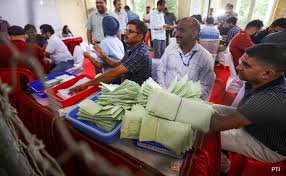
West Bengal Election 2026: A Deep Dive into the Political Battleground
As India moves closer to the next cycle of state assembly polls, all eyes are turning toward the east. The West Bengal Election 2026 is already shaping up to be one of the most anticipated political clashes in recent history. With a legacy of intense ideological battles and high voter turnout, the state remains a critical barometer for national political sentiment.
Whether you are a political analyst, a resident, or an international observer, understanding the nuances of the Bengal political landscape is essential to predicting the outcome of the 2026 race.
The Current Political Landscape
The political arena in West Bengal has long been dominated by a fierce rivalry between the All India Trinamool Congress (TMC) and the Bharatiya Janata Party (BJP). While the TMC has maintained a strong grip on the state through extensive social welfare schemes, the BJP has been steadily expanding its footprint in the rural belts and urban centers.
As we approach the West Bengal Election 2026, several factors are expected to influence the voting patterns:
- n
- Social Welfare impact: The effectiveness of state-led schemes like Lakshmir Bhandar will continue to be a decisive factor for female voters.
- Economic Growth: Job creation and industrialization remain top priorities for the youth, who may swing the result.
- Organizational Strength: The ability of parties to mobilize grassroots workers will determine the efficiency of the campaign.
Key Issues That Will Define the 2026 Polls
The narrative of the West Bengal Election 2026 will likely revolve around a few core pillars. Political strategists suggest that the following issues will be at the forefront of the debate:
1. Governance and Infrastructure
Voters are increasingly looking for sustainable infrastructure development and improved public services. The balance between rural development and urban modernization will be a key talking point.
2. Law and Order
Political violence during election cycles has been a recurring theme in West Bengal. The party that can guarantee a peaceful democratic process may gain a significant psychological edge with the undecided electorate.
3. The Youth Vote
With a large demographic of first-time voters entering the fray, the demand for transparency, digital governance, and high-quality employment opportunities will be paramount.
What to Watch For: Potential Game Changers
While the TMC and BJP are the primary contenders, the role of smaller parties and potential alliances cannot be ignored. A shift in coalition dynamics could lead to unexpected outcomes, potentially splitting the vote and opening doors for a third-party influence.
To stay updated on the official guidelines and scheduling, it is highly recommended to follow the Election Commission of India, the ultimate authority on democratic processes in the country.
Final Thoughts: A State in Transition
The West Bengal Election 2026 is more than just a change of government; it is a reflection of the evolving socio-political identity of the region. As campaigns intensify, the focus will remain on who can best promise a prosperous and stable future for the people of Bengal.
Stay tuned for more updates and deep-dive analyses as we track the road to 2026!



