
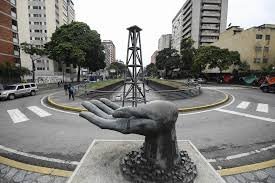
Venezuela: Navigating the Complex Political and Economic Landscape
Venezuela, a country once known for its vast oil reserves and economic prosperity in South America, has become a focal point of global attention due to its ongoing political and humanitarian crises. To understand the current state of the nation, it is essential to analyze the intersection of government policy, international sanctions, and the resilience of its people.
The Political Struggle for Power
For years, Venezuela has been embroiled in a deep political divide. The tension between the administration of Nicolás Maduro and the opposition has led to significant social unrest and a complex diplomatic standoff. International bodies and various governments have frequently questioned the legitimacy of electoral processes, leading to a state of perpetual political instability.
This instability is not just internal; it involves a geopolitical tug-of-war where global superpowers influence the diplomatic pressure placed on the Venezuelan government to implement democratic reforms.
An Economy Under Pressure
The economic collapse of Venezuela is one of the most severe in modern history for a country not currently at war. The reliance on oil—the nation’s primary export—proved to be a double-edged sword. A combination of plummeting oil prices, mismanagement, and strict international sanctions has crippled the economy.
- n
- Hyperinflation: The Venezuelan Bolívar has lost its value, making basic goods unaffordable for millions.
- Oil Production: Despite having the world’s largest proven oil reserves, production has plummeted due to lack of investment and infrastructure decay.
- External Sanctions: Economic measures imposed by the U.S. Department of State have aimed to pressure the government, though they have also impacted the general population.
The Humanitarian Crisis and Migration
The most heartbreaking result of this turmoil is the humanitarian crisis. Shortages of food and medicine have forced millions of Venezuelans to leave their homes in search of safety and stability. This mass migration has reshaped the demographics of neighboring countries like Colombia, Brazil, and Peru.
According to the UNHCR (The UN Refugee Agency), the Venezuelan exodus is one of the largest displacement crises in the world, highlighting the urgent need for international cooperation and humanitarian aid.
Looking Toward the Future
The path to recovery for Venezuela remains uncertain. However, experts suggest that a sustainable solution requires a combination of internal political dialogue, the lifting of sanctions in exchange for democratic guarantees, and a comprehensive plan to rebuild the nation’s industrial infrastructure.
As the world watches, the hope for a stable, democratic, and prosperous Venezuela remains a priority for the international community and, most importantly, for the millions of Venezuelans both at home and abroad.



