
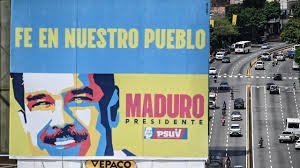
Venezuela. The name evokes images of a nation grappling with an unprecedented crisis – a multifaceted challenge encompassing a devastating humanitarian emergency, a catastrophic economic collapse, and a deeply uncertain future. Once one of Latin America’s wealthiest nations, fueled by its vast oil reserves, Venezuela has descended into a state of profound hardship, impacting millions of its citizens and reverberating across the region.
The Roots of the Crisis: From Oil Boom to Bust
For decades, Venezuela’s economy was heavily reliant on oil. When oil prices were high, the nation prospered. However, this dependence created a vulnerability that became tragically apparent when prices plummeted in the mid-2010s. Coupled with years of mismanagement, corruption, and increasingly authoritarian policies under Hugo Chávez and Nicolás Maduro, the Venezuelan economy began a steep decline. Nationalization of key industries, price controls, and a lack of diversification crippled the private sector and stifled economic growth. The Council on Foreign Relations provides a detailed analysis of the political and economic factors contributing to the crisis.
The Humanitarian Emergency: A Nation in Need
The economic collapse has triggered a severe humanitarian crisis. Hyperinflation has rendered the bolívar virtually worthless, making basic necessities unaffordable for most Venezuelans. Shortages of food, medicine, and clean water are widespread. Healthcare systems have crumbled, leading to preventable deaths and the resurgence of diseases like malaria and measles. According to UNHCR, millions of Venezuelans are facing acute hunger and lack access to essential services. This has led to a mass exodus, with over 7 million Venezuelans fleeing the country in search of safety and a better life, primarily to neighboring countries like Colombia, Peru, and Ecuador.
The Migration Crisis: A Regional Challenge
The Venezuelan migration crisis is one of the largest displacement crises in the world. Neighboring countries, while initially welcoming, are struggling to cope with the influx of refugees and migrants. This has strained resources, created social tensions, and raised concerns about regional stability. International organizations, such as the International Organization for Migration (IOM), are working to provide assistance to both migrants and host communities, but the scale of the crisis requires a sustained and coordinated global response.
Political Stalemate and the Path Forward
The political situation in Venezuela remains deeply polarized. Nicolás Maduro’s government continues to cling to power, despite widespread international condemnation and accusations of human rights abuses. Opposition leaders have struggled to mount a unified challenge, and attempts at mediation have yielded limited results. The future of Venezuela hinges on finding a peaceful and democratic solution to the political crisis, one that addresses the root causes of the economic and humanitarian emergency. A return to constitutional rule, free and fair elections, and respect for human rights are essential steps towards rebuilding the nation. The Human Rights Watch regularly documents the human rights situation in Venezuela.
The situation in Venezuela is a stark reminder of the fragility of economies dependent on a single commodity and the devastating consequences of political mismanagement. Addressing the crisis requires a comprehensive approach that combines humanitarian assistance, economic reforms, and a commitment to democratic principles. The road to recovery will be long and arduous, but the Venezuelan people deserve a future free from hardship and oppression.



