
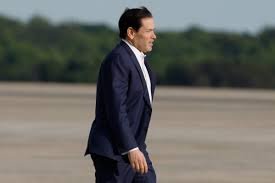
A Strategic Diplomatic Tour: Marco Rubio’s Mission to India and Europe
In a move that signals a critical pivot in global diplomacy, US Secretary of State Marco Rubio is embarking on a high-stakes tour this week. While the world continues to navigate the economic fallout of the Iran war and volatile energy prices, Rubio is stepping into the spotlight to stabilize alliances and redefine security partnerships.
The journey begins in Sweden for a pivotal NATO foreign ministers meeting, but the eyes of the Indo-Pacific are fixed on his subsequent stop: India. This visit is expected to be a cornerstone of current US foreign policy, emphasizing the strategic importance of the democratic Quad alliance.
Strengthening the Quad: The India Visit
For those following India news and global security, Rubio’s visit to the subcontinent is the highlight of the trip. The Secretary of State plans an extensive tour of four key Indian cities:
- n
- New Delhi: High-level diplomatic talks with government officials.
- Kolkata, Agra, and Jaipur: Strengthening regional ties and cultural diplomacy.
Beyond bilateral talks, Rubio is scheduled to meet with counterparts from Australia and Japan. Together, these four nations comprise the “Quad”—a strategic grouping of Indo-Pacific democracies dedicated to maintaining a free and open region. This meeting comes at a time when balancing power in Asia is more critical than ever.
NATO Under Pressure: Burden Sharing and Troop Shifts
Before heading to Asia, Rubio will meet with NATO allies in Helsingborg, Sweden. The atmosphere is tense, as the alliance grapples with President Donald Trump’s inconsistent stance on the partnership and the controversial decision to reduce US troop levels in Europe.
The State Department has been clear: the US will continue to demand increased defense investment and a more equitable “burden sharing” among member states. Furthermore, Rubio will address critical security interests in the High North and the Arctic, a region of growing economic and military significance.
The Greenland Dispute and European Anxiety
The diplomacy isn’t without friction. Tensions have flared over the Danish territory of Greenland. While US special envoy Jeff Landry recently visited the island, Greenland’s Prime Minister Jens-Frederik Nielsen has remained firm, stating that “the Greenlandic people are not for sale” and insisting on their right to self-determination.
Despite these frictions, Rubio is often viewed by European leaders as a stabilizing force. His calm demeanor is seen as a necessary counterbalance to the more antagonistic rhetoric often associated with the current administration.
Clarifying the Troop Drawdown
Recent confusion regarding US troop levels in Poland has led to a series of clarifications from the Pentagon and Vice President JD Vance. While initial reports suggested a reduction, the administration maintains that there is merely a “temporary delay” in rotation deployments. The goal, according to Vance, is to promote greater “European independence and sovereignty.”
As the world looks toward the upcoming NATO summit in Ankara this July, Marco Rubio’s current mission will serve as the litmus test for the future of transatlantic and Indo-Pacific security.



