The consequences of these collisions extend far beyond the physical damage to the ships and the tragic loss of life. They also include:
Preventative Measures: Charting a Course for Safer Seas
The Navy has implemented a series of measures to prevent future collisions, including:
The Navy is also leveraging technology, such as advanced radar systems and automated identification systems (AIS), to improve collision avoidance capabilities. Furthermore, the Navy is actively collaborating with the maritime industry to share best practices and enhance safety standards. You can find more information about the Navy’s safety initiatives on the
official Navy Safety Center website.
Looking Ahead: Sustaining a Culture of Safety
While the Navy has made significant strides in addressing the issues that contributed to these collisions, sustaining a culture of safety requires ongoing vigilance and commitment. Continuous improvement in training, operational procedures, and technology is essential to prevent future incidents and ensure the safety of naval personnel and assets. The lessons learned from these tragic events serve as a stark reminder of the importance of prioritizing safety in all aspects of naval operations. The US Navy’s commitment to learning from these incidents and implementing robust preventative measures is crucial for maintaining its position as a global maritime leader.
Investigations into these collisions revealed a complex interplay of factors, rather than a single root cause. Key contributing elements included:
The Navy acknowledged these shortcomings and initiated a comprehensive review of its procedures and training programs. A report by the Comprehensive Review of Surface Warfare Forces, led by Admiral Philip Davidson, highlighted systemic issues and recommended sweeping changes.
The Consequences: Beyond Damage and Loss of Life
The consequences of these collisions extend far beyond the physical damage to the ships and the tragic loss of life. They also include:
Preventative Measures: Charting a Course for Safer Seas
The Navy has implemented a series of measures to prevent future collisions, including:
The Navy is also leveraging technology, such as advanced radar systems and automated identification systems (AIS), to improve collision avoidance capabilities. Furthermore, the Navy is actively collaborating with the maritime industry to share best practices and enhance safety standards. You can find more information about the Navy’s safety initiatives on the
official Navy Safety Center website.
Looking Ahead: Sustaining a Culture of Safety
While the Navy has made significant strides in addressing the issues that contributed to these collisions, sustaining a culture of safety requires ongoing vigilance and commitment. Continuous improvement in training, operational procedures, and technology is essential to prevent future incidents and ensure the safety of naval personnel and assets. The lessons learned from these tragic events serve as a stark reminder of the importance of prioritizing safety in all aspects of naval operations. The US Navy’s commitment to learning from these incidents and implementing robust preventative measures is crucial for maintaining its position as a global maritime leader.
US Navy Ships Collide: A Deep Dive into Recent Incidents and Prevention Strategies
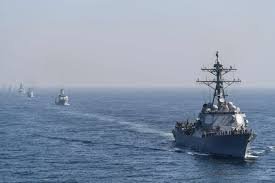
The United States Navy, renowned for its global presence and technological prowess, has faced a concerning pattern of collisions involving its warships in recent years. These incidents, far from being isolated events, have sparked investigations, raised questions about training and operational procedures, and prompted significant efforts to enhance maritime safety. This article delves into the causes behind these collisions, examines their consequences, and outlines the preventative measures being implemented to safeguard naval assets and personnel.
A History of Recent Collisions
The most prominent incidents occurred in 2017, with collisions involving the USS Fitzgerald and the USS John S. McCain. The USS Fitzgerald collided with a Philippine container ship, ACX Crystal, off the coast of Japan, resulting in significant damage and tragically, the loss of seven sailors. Just months later, the USS John S. McCain collided with a tanker near the Strait of Malacca, causing further damage and claiming the lives of ten sailors. These events sent shockwaves through the Navy and triggered immediate investigations.
Unraveling the Causes: A Multifaceted Problem
Investigations into these collisions revealed a complex interplay of factors, rather than a single root cause. Key contributing elements included:
The Navy acknowledged these shortcomings and initiated a comprehensive review of its procedures and training programs. A report by the Comprehensive Review of Surface Warfare Forces, led by Admiral Philip Davidson, highlighted systemic issues and recommended sweeping changes.
The Consequences: Beyond Damage and Loss of Life
The consequences of these collisions extend far beyond the physical damage to the ships and the tragic loss of life. They also include:
Preventative Measures: Charting a Course for Safer Seas
The Navy has implemented a series of measures to prevent future collisions, including:
The Navy is also leveraging technology, such as advanced radar systems and automated identification systems (AIS), to improve collision avoidance capabilities. Furthermore, the Navy is actively collaborating with the maritime industry to share best practices and enhance safety standards. You can find more information about the Navy’s safety initiatives on the
official Navy Safety Center website.
Looking Ahead: Sustaining a Culture of Safety
While the Navy has made significant strides in addressing the issues that contributed to these collisions, sustaining a culture of safety requires ongoing vigilance and commitment. Continuous improvement in training, operational procedures, and technology is essential to prevent future incidents and ensure the safety of naval personnel and assets. The lessons learned from these tragic events serve as a stark reminder of the importance of prioritizing safety in all aspects of naval operations. The US Navy’s commitment to learning from these incidents and implementing robust preventative measures is crucial for maintaining its position as a global maritime leader.