
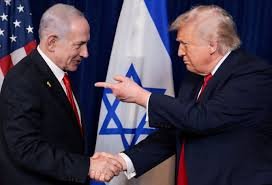
The Evolution of the US-Israel Military Merger: A Strategic Powerhouse
In the complex landscape of global geopolitics, the term US Israel military merger doesn’t refer to a formal unification of two sovereign armies, but rather an unprecedented level of strategic integration. For decades, the relationship between the United States and Israel has evolved from a standard diplomatic alliance into a sophisticated synergy of intelligence, technology, and joint operational capabilities.
This deep-seated cooperation is designed to ensure stability in the Middle East and counter emerging threats, making it one of the most critical defense partnerships in modern history.
Key Pillars of the US-Israel Defense Integration
The integration between the two nations is built on several high-tech and strategic pillars that allow them to operate almost as a single unit in critical scenarios:
- n
- Technological Co-Development: From the legendary Iron Dome to advanced missile defense systems, both nations share R&D resources to stay ahead of adversarial capabilities.
- Intelligence Sharing: A seamless flow of real-time data and signals intelligence (SIGINT) allows for proactive threat detection and neutralized risks before they escalate.
- Joint Military Exercises: Frequent large-scale drills ensure that command structures are aligned, allowing for rapid interoperability during joint operations.
- Cybersecurity Synergy: As warfare shifts to the digital realm, the US and Israel have merged their expertise to combat state-sponsored cyberattacks and protect critical infrastructure.
Why This “Merger” Matters for Global Security
The strategic alignment between Washington and Jerusalem serves as a deterrent against regional aggression. By pooling resources, the US Israel military merger creates a qualitative military edge (QME) that is essential for maintaining a balance of power in a volatile region.
According to the Council on Foreign Relations, this partnership is not just about weaponry, but about a shared vision of security and democratic stability in the face of asymmetric warfare.
Challenges and Geopolitical Implications
While the integration is robust, it is not without its complexities. The deepening of this military bond often sparks intense debate regarding international law, regional diplomacy, and the balance of influence within the United Nations.
Furthermore, as the US pivots its focus toward the Indo-Pacific region to counter other global powers, the nature of the US-Israel alliance is shifting from direct US involvement to a model of Israeli self-reliance, supported by high-end American technology and diplomatic backing.
The Future of the Alliance
Looking forward, the integration is expected to expand into the realms of Artificial Intelligence (AI) and space-based surveillance. The goal is to create a predictive defense network that can anticipate threats with surgical precision.
For those following national security trends, the US Israel military merger remains a benchmark for how two nations can synchronize their defense apparatuses to ensure mutual survival and regional peace.
To learn more about official defense treaties and security agreements, visit the U.S. Department of Defense official portal.



