
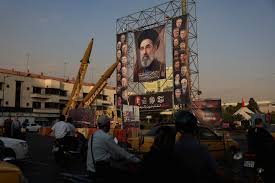
Understanding the Friction: The State of US-Iran Relations
The relationship between the United States and Iran has long been one of the most volatile and complex dynamics in modern international diplomacy. For decades, the two nations have navigated a landscape defined by mutual distrust, ideological clashes, and strategic competition for influence in the Middle East.
From the 1979 revolution to current tensions over nuclear capabilities, the US-Iran rivalry is not just a bilateral issue but a global concern that impacts oil prices, regional security, and international law.
The Core Points of Contention
To understand why the US and Iran often find themselves at an impasse, it is essential to look at the primary drivers of conflict:
- The Nuclear Program: The most critical point of tension is Iran’s nuclear ambitions. While Tehran claims its program is for peaceful energy purposes, the US and its allies have long feared the development of nuclear weapons.
- Regional Influence: Both nations vie for leadership in the Middle East, supporting opposing sides in conflicts across Syria, Yemen, and Lebanon.
- Economic Sanctions: The US has implemented rigorous sanctions to pressure the Iranian government, which has led to significant economic hardship within Iran and a hardening of political stances.
The JCPOA and the Struggle for Diplomacy
One of the most significant attempts to stabilize the relationship was the Joint Comprehensive Plan of Action (JCPOA). This landmark nuclear deal aimed to limit Iran’s nuclear activity in exchange for the lifting of economic sanctions.
However, the agreement has faced immense hurdles, including the US withdrawal under the Trump administration and subsequent struggles to revive the deal under current leadership. The failure to maintain a consistent diplomatic framework has left a vacuum often filled by military posturing and cyber warfare.
What This Means for Global Stability
The volatility of US-Iran relations ripples across the globe. A sudden escalation in the Strait of Hormuz—a vital artery for global oil shipments—could trigger an economic crisis. Conversely, a breakthrough in diplomacy could pave the way for a more stable Middle East.
Experts from organizations like the Council on Foreign Relations suggest that while a full reconciliation is unlikely, a “managed competition” may be the most realistic goal to prevent an all-out conflict.
Conclusion: The Path Forward
The future of the US-Iran relationship remains uncertain. Whether through renewed diplomatic channels or continued strategic pressure, the outcome will significantly shape the geopolitical map of the 21st century. For now, the world watches closely as both nations balance the risk of escalation against the necessity of stability.



