
Tensions and Hope: The United States Navigates a High-Stakes Deal with Iran
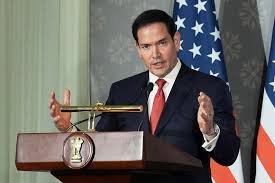
The global community is closely watching the United States as it teeters on the edge of a potential agreement with Iran. In a move that could reshape the geopolitical landscape of the Middle East, U.S. Secretary of State Marco Rubio has expressed cautious optimism that news regarding a deal could emerge shortly. However, the road to peace remains fraught with complexity and strategic hesitation.
The Trump Strategy: Patience Over Haste
While there are signs of progress, President Donald Trump has tempered expectations of an immediate resolution. Taking to his platform, Truth Social, the U.S. leader emphasized that time is currently a strategic asset for the United States.
“I have asked my representatives not to rush into a deal, because time is on our side,” Trump stated, reinforcing that the blockade on Iranian ports will remain until a certified and signed agreement is finalized.
The Economic Trigger: The Strait of Hormuz
At the heart of these negotiations is more than just diplomacy; it is global economic survival. The conflict has led to a near-blockage of the Strait of Hormuz, a vital artery through which approximately one-fifth of the world’s consumed hydrocarbons flow. A primary goal of the current discussions is to ensure the safe passage of ships once again.
According to reports from Reuters, the proposed agreement could include:
- n
- Lifting of specific sanctions: Temporary relief on oil, gas, and petrochemical exports to stabilize Iran’s economy.
- Unfreezing Assets: The potential release of Iranian funds currently held in foreign banks.
- Maritime Security: The immediate reopening of the Strait of Hormuz to global trade.
The Nuclear Question: A Long-Term Hurdle
It is crucial to understand that this potential agreement is not a comprehensive peace treaty, nor is it a nuclear deal. Secretary of State Marco Rubio clarified that nuclear negotiations are highly technical and cannot be solved “on a napkin in 72 hours.”
The strategy of the United States appears to be a phased approach: first, secure the economic waterways, and then enter a rigorous 60-day negotiation period focusing on uranium enrichment and a permanent commitment to forego nuclear weapons. This stance is heavily backed by Israeli Prime Minister Benjamin Netanyahu, who insists that any final deal must entirely eliminate the nuclear threat.
Regional Instability: Lebanon and Gaza
While Washington and Tehran negotiate, the surrounding region remains volatile. Despite a fragile ceasefire, Israeli strikes in Lebanon have continued to cause casualties, and the World Health Organization (WHO) has warned of severe medical shortages in Gaza due to ongoing restrictions.
The influence of Hezbollah and the ongoing tensions between the Lebanese government and Israel add another layer of volatility to the United States‘ diplomatic efforts. As the U.S. seeks to prevent Lebanon from sliding further into chaos, the world waits to see if diplomacy can finally override the cycle of conflict.
Stay tuned for more updates on how the United States is shaping the future of Middle Eastern diplomacy.



