
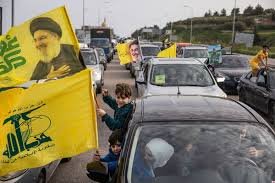
The relationship between the United States and Iran is arguably one of the most complex and volatile in modern geopolitics. Rooted in decades of mistrust, political maneuvering, and conflicting interests, the dynamic between these two nations continues to shape the Middle East and influence global stability. This article provides a comprehensive overview of the US-Iran relationship, examining its historical context, current challenges, and potential future trajectories.
A Historical Overview: From Ally to Adversary
The US and Iran weren’t always adversaries. In fact, during the mid-20th century, Iran was a key ally of the United States, particularly under the rule of Shah Mohammad Reza Pahlavi. The US supported the Shah’s regime, providing economic and military aid. However, this relationship began to unravel with the 1979 Iranian Revolution, which ousted the Shah and established an Islamic Republic under Ayatollah Ruhollah Khomeini. The revolution fundamentally altered Iran’s political landscape and its relationship with the West.
The hostage crisis at the US embassy in Tehran, which lasted for 444 days, further exacerbated tensions. This event led to the severing of diplomatic ties and the imposition of economic sanctions by the US. The Iran-Iraq War (1980-1988) saw the US indirectly supporting Iraq, adding another layer of complexity to the relationship.Current Tensions and Key Issues
Today, the US-Iran relationship is characterized by deep distrust and ongoing tensions. Several key issues fuel this conflict:
- Iran’s Nuclear Program: The primary concern for the US and its allies is Iran’s nuclear program. The US believes Iran is pursuing nuclear weapons, while Iran maintains its program is for peaceful purposes. The 2015 Joint Comprehensive Plan of Action (JCPOA), also known as the Iran nuclear deal, aimed to limit Iran’s nuclear capabilities in exchange for sanctions relief. However, the US withdrew from the JCPOA in 2018 under the Trump administration, reimposing sanctions.
- Regional Influence: Iran’s growing influence in the Middle East, particularly through its support for proxy groups in countries like Lebanon, Syria, Iraq, and Yemen, is a major source of concern for the US and its regional allies, such as Saudi Arabia and Israel.
- Human Rights: The US consistently criticizes Iran’s human rights record, including restrictions on freedom of speech, assembly, and religion.
- Ballistic Missile Program: Iran’s development of ballistic missiles is another area of concern, as these missiles could potentially be used to target US allies in the region.
These issues have led to a series of escalating incidents, including attacks on oil tankers in the Persian Gulf, drone strikes, and cyberattacks. The US maintains a significant military presence in the region, and tensions frequently flare up.
Sanctions and Their Impact
The US has imposed a wide range of sanctions on Iran, targeting its oil industry, financial sector, and individuals associated with the regime. These sanctions have had a significant impact on the Iranian economy, leading to inflation, unemployment, and a decline in living standards. While the US aims to pressure Iran to change its behavior, critics argue that sanctions disproportionately harm the Iranian people. Council on Foreign Relations – US Sanctions on Iran provides a detailed overview of the sanctions regime.
The Future of US-Iran Relations
The future of US-Iran relations remains uncertain. Several potential scenarios could unfold:
- Re-engagement with the JCPOA: The Biden administration has expressed a willingness to re-enter the JCPOA, but negotiations have been stalled. A return to the deal would require both sides to make concessions.
- Escalation and Conflict: Continued tensions and miscalculations could lead to a military confrontation, with potentially devastating consequences for the region and the world.
- Continued Containment: The US could maintain its current policy of maximum pressure, hoping to force Iran to change its behavior through economic sanctions.
- A New Diplomatic Framework: A new diplomatic framework, beyond the JCPOA, could be explored to address the broader range of concerns related to Iran’s nuclear program, regional influence, and human rights.
Ultimately, resolving the US-Iran conflict will require a sustained diplomatic effort, a willingness to compromise, and a recognition of the legitimate security concerns of both sides. The stakes are high, and the need for a peaceful resolution is more urgent than ever. For further insights, consider exploring resources from The U.S. Department of State – Iran.



