
Tensions Rise as Trump Rejects Proposed Iran Deal Terms
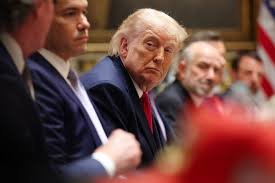
In a move that has sent ripples through the diplomatic world, President Donald Trump has sent back proposed changes to a deal with Iran, effectively extending the high-stakes negotiations into another week. Following a rigorous meeting with his top advisers, the U.S. administration has signaled that the current terms are not yet stringent enough to meet American security interests.
According to reports initially highlighted by CNN News, the administration is pushing for significantly tougher language regarding Iran’s nuclear commitments and its pledge to ensure the freedom of navigation in the Strait of Hormuz.
The Core Points of Contention
While the exact revisions requested by the President remain confidential, several key friction points have emerged during these delicate talks:
- n
- Nuclear Ambitions: Trump has insisted on a more aggressive stance regarding the destruction of Iran’s stockpile of highly enriched uranium.
- Maritime Security: A primary concern is the stability of the Strait of Hormuz, a critical artery for global energy trade.
- Financial Relief: The President has voiced strong opposition to providing significant financial aid to Tehran, fearing a repeat of the “pallets of cash” associated with the Obama-era nuclear agreement.
n
n
n
Iran’s Stance: Trust and Tangible Gains
The Iranian government remains skeptical. Mohammad Bagher Ghalibaf, the Speaker of Iran’s Parliament, recently emphasized that Tehran will not approve any agreement until its “rights” are fully secured. In a statement released via the Tasnim news agency, Ghalibaf noted that diplomatic promises are insufficient, stating that Iran requires “tangible achievements” before fulfilling its own commitments.
Military Escalation in the Gulf of Oman
While diplomacy continues behind closed doors, the situation on the water is intensifying. To counter Iran’s influence over the strait, the U.S. Navy has implemented a strict blockade of Iranian ports.
In a recent escalation, US Central Command (CENTCOM) reported the disabling of the M/V Lian Star, a Gambian-flagged vessel. Despite receiving over 20 warnings, the ship continued toward an Iranian port, leading the U.S. military to fire a missile into its engine room. This marks the fifth commercial ship disabled since the blockade began, underscoring the volatility of the region.
Skepticism from the Senate
Not everyone is optimistic about a swift resolution. Senator Chris Coons (D-Delaware), a member of the Senate Foreign Affairs Committee, expressed doubt during an appearance on Fox News Sunday. While he acknowledged that the terms look acceptable on paper, he argued that preventing Iran from using mines or drones to close the Strait of Hormuz is a practical challenge that technological superiority alone cannot solve.
As both nations continue to haggle over the fine print, the world watches closely to see if a diplomatic breakthrough is possible or if the region is heading toward further military confrontation.



