
Tensions Surge: Is the World Bracing for a New US-Iran War?
The geopolitical landscape is shifting rapidly as reports emerge that Washington is contemplating a new series of military strikes against Iran. This escalation comes at a critical juncture, where the thin line between diplomatic mediation and open warfare could determine the stability of the global economy for years to come.
The Diplomatic Tightrope: Mediation Under Pressure
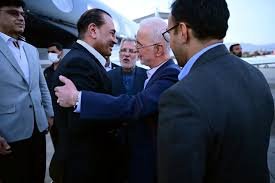
In a desperate bid to prevent a full-scale war, international mediators have stepped in. Most recently, the chief of the Pakistani army, Syed Asim Munir, visited Tehran to facilitate dialogue between the United States and Iran. Pakistan, acting as a bridge, hopes to extinguish the flames of conflict before they spread.
However, the road to peace is fraught with obstacles. According to Iranian Foreign Ministry spokesperson Esmaïl Baghaï, the gaps between Washington and Tehran remain “profound.” Key sticking points include:
- n
- Regional Stability: The demand for a complete cessation of hostilities on all fronts, including Lebanon.
- Maritime Security: Tensions surrounding the strategic Strait of Hormuz.
- Economic Pressure: The ongoing US blockade of Iranian ports.
- Nuclear Ambitions: The unresolved and highly contentious nuclear deal.
Trump’s High-Stakes Game: Threats and Diplomacy
Former US President Donald Trump has continued to send mixed signals, alternating between threats of renewed aggression and claims that Iranian leaders are “desperate” to reach a deal. The gravity of the situation was highlighted when Trump cancelled his attendance at his son Don Jr.’s wedding, citing urgent “state affairs” in Washington.
This strategy of “blowing hot and cold” has left global markets on edge. While Trump seeks a way out of a conflict that is unpopular domestically, the Iranian Revolutionary Guard has warned that any new US attack could expand the war “well beyond the region.”
The Economic Fallout: Why the World is Watching
The primary concern for the international community isn’t just political—it’s financial. The Strait of Hormuz is a global chokepoint through which approximately one-fifth of the world’s crude oil and liquefied natural gas (LNG) passes. Any significant blockage could lead to an energy crisis.
The markets are already reacting to this volatility:
- Oil Prices: Brent crude has climbed to $103.54, while WTI has reached $96.60, reflecting fears of supply shortages.
- Stock Markets: While Wall Street has seen record highs due to hopes of a deal, the underlying nervousness remains palpable.
Regional Spillover: The Lebanon Connection
The conflict isn’t limited to a direct US-Iran standoff. In Lebanon, despite a precarious ceasefire between Israel and the Iranian-backed Hezbollah, airstrikes continue to claim lives. Recent attacks in southern and eastern Lebanon underscore the fragility of the peace and the risk of a broader regional conflagration.
As Qatar and other nations intensify their mediation efforts, the world waits to see if diplomacy will prevail or if the drums of war will lead to a global economic shockwave.



