
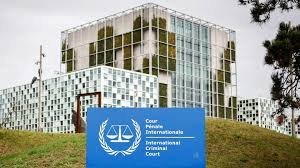
The US Offensive Against the International Criminal Court Intensifies
In a bold and aggressive move to protect national sovereignty, US Secretary of State Marco Rubio has launched a new wave of sanctions against top officials of the International Criminal Court (ICC). This latest action is part of a broader, strategic “whole-of-government campaign” aimed at systematically dismantling the global legal body.
The target of these sanctions includes Tomoko Akane, the President of the ICC, and Abdoulaye Seye, a senior trial lawyer. According to Rubio, these individuals have overstepped their bounds by pursuing investigations and prosecutions against officials from governments that never consented to the court’s jurisdiction.
Why is the US Targeting the ICC?
The tension between Washington and the Hague is not new. The United States, which is not a member of the International Criminal Court, has long viewed the institution as a threat to its servicemen and political leaders. The conflict has reached a boiling point due to several key factors:
- n
- Sovereignty Concerns: The US argues that the ICC has no authority to prosecute American nationals.
- Israel-Palestine Conflict: The court’s issuance of arrest warrants for Israeli Prime Minister Benjamin Netanyahu in November 2024 sparked immediate backlash from the Trump administration.
- Historical Friction: Previous attempts by the ICC to investigate alleged war crimes by US forces in Afghanistan set a precedent for current hostilities.
The ICC’s Defiant Response
The ICC has not remained silent in the face of these pressures. In an official statement, the court denounced the sanctions, claiming they “undermine the rule of law” and threaten the pursuit of justice for victims of atrocities worldwide.
The court emphasized its commitment to the Rome Statute, asserting that it will continue to operate with independence and impartiality, regardless of external political pressure.
A Domino Effect: Countries Withdrawing from the Court
The US campaign is starting to yield results globally. The pressure is creating a ripple effect, encouraging other nations to distance themselves from the ICC:
- Venezuela: The US-backed interim government announced its irrevocable decision to withdraw, citing a “geographical bias” within the court.
- Chad: Following the launch of the US campaign, Chad also announced its intention to exit the institution.
The Assembly of States Parties expressed deep concern over these withdrawals, warning that such moves weaken the global fight against impunity and the collective pursuit of international justice.
What’s Next for Global Justice?
Secretary Rubio has made it clear: the US will continue to push for other countries to end their funding and participation in what he describes as a “politicized and unaccountable court.”
As the US threatens “increased scrutiny” for nations that refuse to join this campaign, the world watches to see if the ICC can survive this systematic attempt to neutralize its power or if the era of global criminal jurisdiction is coming to an end.



