
Federal Tension Rises: The United States Department of Justice vs. State Election Officials
A significant legal and political clash has erupted between the United States Department of Justice (DOJ) and state election authorities. In a move described by critics as an unprecedented escalation, the federal government has issued warnings to all 50 states and the District of Columbia, threatening criminal charges against officials who fail to prevent noncitizens from voting in federal elections.
The DOJ’s Hardline Approach
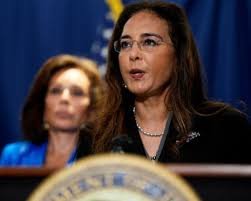
The controversy began when Harmeet K Dhillon, head of the DOJ’s civil rights division, dispatched letters demanding “voluntary compliance” with federal laws. The core of the demand is simple: ensure that only eligible U.S. citizens are registered and voting. However, the tone of the communication has raised alarms across the political spectrum.
According to the letters, any election officer who “knowingly retains noncitizens” on voter lists or facilitates their voting process could face severe criminal liability. The DOJ has requested a response from state officials within five days, detailing their compliance strategies and how the federal agency can “assist” in these efforts.
State Officials Fight Back: “Bizarre Behavior”
The reaction from state leaders has been swift and overwhelmingly negative. Many officials view this move not as a quest for election integrity, but as an attempt to seize federal control over processes traditionally managed at the state and local levels.
- n
- Utah’s Perspective: Deidre Henderson, the Republican lieutenant governor and top elections officer in Utah, labeled the communication a “love letter” filled with threats. She criticized the United States Department of Justice for targeting officials who are simply resisting illegal demands for private voter data.
- Arizona’s Perspective: Democratic Secretary of State Adrian Fontes described the insinuations as “insulting,” emphasizing that Arizona officials take their oath of office seriously and will follow state law rather than “political rhetoric or intimidation.”
Fact-Checking the Noncitizen Voting Narrative
This federal push comes amid repeated, though unproven, claims that large numbers of noncitizens are influencing U.S. elections. Despite the rhetoric, there is no empirical evidence to suggest that noncitizen voting is occurring on a scale that could sway election results. States already employ rigorous maintenance protocols to remove ineligible voters from their rolls regularly.
Legal Implications and Privacy Concerns
The battle over voter rolls is not new. The federal government has previously attempted to gain access to state voter lists—which contain the personal data of millions of Americans—but has faced consistent legal defeats. Multiple courts have ruled that these demands for private data are illegal, making the DOJ’s current threats feel like a tactical shift to achieve through intimidation what they could not achieve through the courts.
For more information on federal election laws, you can visit the official United States Department of Justice website or explore guidelines at the Federal Election Commission.
Conclusion: A Threat to Civil Rights?
While ensuring election security is a shared goal, the methods employed by the current administration have sparked a debate over the boundary between federal oversight and state sovereignty. As state officials continue to resist these demands, the tension between the United States Department of Justice and the states is likely to culminate in further high-profile legal battles.



