
US Department of Justice Antitrust Division: Navigating the US-Canada Trade War and the ‘Lake America’ Controversy
Tensions between the United States and Canada have reached a boiling point, manifesting not only in economic sanctions but also in symbolic gestures and diplomatic friction. At the center of this storm is the United States Department of Justice Antitrust Division, which recently found itself embroiled in reports regarding a sudden halt in international cooperation.
The Controversy: Did the DOJ Cut Ties with Canada?
Recent reports, initially highlighted by The Wall Street Journal, suggested a dramatic shift in diplomatic relations. According to these reports, Lynda Marshall, the chief of the international section of the United States Department of Justice Antitrust Division, allegedly ordered officials to pause all cooperation and policy engagement with Canadian authorities.
The reports indicated that section chiefs were required to provide detailed lists of all ongoing cooperative areas with Canada, signaling a potential freeze in legal and regulatory synergy between the two neighboring giants.
However, the U.S. Department of Justice (DOJ) has since disputed these claims. In an official statement, the department denied that such a sweeping directive was ever issued, clarifying that the pause was limited to a specific scheduled meeting to allow the antitrust team more time for preparation.
Beyond the Law: The ‘Lake America’ Renaming
While the legalities of the antitrust division are being debated, a more symbolic move has sparked outrage across the border. President Donald Trump has issued an executive order to rename Lake Ontario to ‘Lake America’.
Although this rebranding applies only to the U.S. federal government and does not legally bind Canada or individual U.S. states, the move is seen as a provocative gesture during an intensifying trade dispute. This has drawn blunt rejection from political figures, including New York Governor Kathy Hochul and Ontario Premier Doug Ford, who view the move as unnecessary escalation.
Economic Warfare: Tariffs and Retaliation
The friction isn’t just symbolic; it is deeply financial. The current administration’s trade strategy has led to a significant “trade war” characterized by aggressive tariffs:
- n
- US Action: The implementation of 50% tariffs on approximately $20 billion worth of Canadian goods.
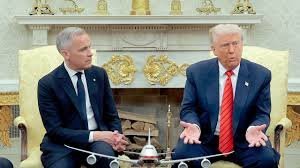
- Canada’s Response: Prime Minister Mark Carney has announced that Canada will match these tariffs “dollar for dollar.”
- Goal: Canada aims to protect its farmers, businesses, and workers from the economic volatility caused by Washington’s policies.
What This Means for International Cooperation
The uncertainty surrounding the United States Department of Justice Antitrust Division and its relationship with Canada reflects a broader trend of nationalist policy over multilateral cooperation. When regulatory bodies like the DOJ are perceived to be influenced by trade wars, it can create instability in global markets and complicate cross-border legal frameworks.
As the September 8th deadline for retaliatory tariffs approaches, the world watches to see if diplomacy will prevail or if the relationship between these two historic allies will continue to deteriorate.
For more real-time updates on international trade and legal disputes, stay tuned to high-authority sources like Reuters.



