
Unpacking the Record-Breaking US Government Shutdown: A Political Rollercoaster
The United States has seen its share of political drama, but few events have gripped the nation quite like the recent government shutdown. Stretching an unprecedented 43 days, this historic impasse brought federal operations to a grinding halt, sparking widespread concern and impacting millions of Americans. What truly transpired during this prolonged political battle, and what were its lasting implications?
A Historic Halt: The 43-Day Standoff
Officially concluding on November 12th, after nearly a month and a half, this federal government shutdown etched itself into the annals of U.S. history as the longest of its kind. The gridlock stemmed from a fierce ideological clash between congressional Democrats and Republicans over critical spending legislation necessary to keep the machinery of the US government running smoothly. While the immediate crisis of government reopening was addressed, the ripples of this standoff continued to be felt.
The Curious Case of the White House Shutdown Clock
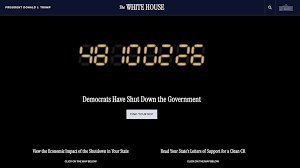
In a peculiar post-resolution twist, a digital “shutdown clock” prominently featured on the White House’s official website continued to tick, displaying a duration of 48 days even after President Donald Trump had signed funding legislation to reopen the government. It wasn’t until media outlets, notably ABC News, pointed out the discrepancy that the clock was swiftly removed. The page was then replaced with a new headline: “Democrats Shut Down the Government for a Record 43 Days.” This incident highlighted the highly charged narrative surrounding the impasse, even as the nation sought to move forward.
Behind the Impasse: Funding, Benefits, and Healthcare
The consequences of the prolonged political impasse were severe and far-reaching. Thousands of federal employees faced furloughs, leaving many without paychecks and grappling with financial uncertainty. Beyond government workers, millions of vulnerable Americans were directly affected by the disruption of vital services, including:
- Federal Employee Furloughs: Essential and non-essential personnel were sent home, creating economic hardship for families across the nation.
- SNAP Benefits Disruption: The Supplemental Nutrition Assistance Program (SNAP), a lifeline for many, saw its benefits cut off, creating food insecurity for millions. Learn more about SNAP on the USDA website.
- The Affordable Care Act (ACA) Debate: A significant factor prolonging the shutdown was a contentious battle over the fate of enhanced tax credits under the Affordable Care Act.
The ACA Tax Credits: A Lingering Battle
At the heart of the deadlock was a dispute concerning enhanced tax credits designed to help millions of Americans afford health insurance through the Affordable Care Act (ACA) marketplace. These credits, initially part of the Obama administration’s ACA legislation and further enhanced in 2021 under the Biden administration to expand eligibility and reduce out-of-pocket costs, were set to expire. President Trump’s massive spending bill signed earlier in July had notably excluded an extension of these enhanced credits.
To secure sufficient Democratic votes for the spending bill that would ultimately reopen the federal government, then-Senate Majority Leader John Thune (R-S.D.) made a crucial agreement: a floor vote would be scheduled in December to extend the ACA tax credits. However, this commitment faced immediate challenges, as House Speaker Mike Johnson (R-La.) repeatedly declined to guarantee such a vote, leaving the future of these crucial healthcare subsidies in a precarious limbo. Explore the Affordable Care Act and its provisions.
Resolution and Unfinished Business
While the immediate crisis of the government shutdown was resolved, allowing federal agencies to resume operations, the underlying political tensions and unresolved issues, particularly regarding the ACA tax credits, continued to simmer. This particular episode underscored the intricate web of legislative bargaining and the profound impact of partisan divisions on the lives of everyday Americans. Understand the legislative process and congressional actions.
The Lasting Impact of Political Gridlock
The 43-day government shutdown serves as a potent reminder of the fragility of political consensus and the real-world consequences of legislative stalemates. From federal employees’ livelihoods to essential public services and vital healthcare provisions, the effects of such impasses resonate widely, highlighting the critical importance of effective governance and bipartisan cooperation in the United States.



