
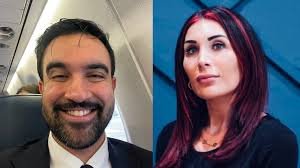
Unpacking Laura Loomer: Activism, Controversies, and the Digital Free Speech Frontier
In the dynamic landscape of modern politics, certain figures ignite intense debate and discussion. One such individual is Laura Loomer, an American far-right political activist and internet personality whose career has been marked by bold pronouncements, high-profile protests, and significant controversies surrounding digital free speech.
At our core, we believe in bringing readers a nuanced understanding of the narratives that shape our interconnected world. With a commitment to exploring diverse perspectives, we delve into the story of Laura Loomer, examining her impact, her activism, and the broader implications of her journey within the political sphere and online platforms.
Who is Laura Loomer? A Snapshot of Her Activism
Laura Loomer first gained prominence through her confrontational style of political activism. She is known for her direct-action protests, often targeting public figures and institutions she perceives as aligned with the political establishment or progressive ideologies. Her early career saw her involved in projects with various conservative and alt-right media outlets, solidifying her reputation as a fearless, albeit controversial, voice.
- Early Career: Began as an investigative journalist, later shifting to direct activism.
- Key Themes: Anti-immigrant sentiment, anti-Muslim rhetoric, criticisms of mainstream media, and support for former President Donald Trump.
Controversies and the Fight for Digital Platforms
A central theme in Laura Loomer’s public life has been her ongoing battle with major social media platforms. She has been permanently banned from Twitter, Facebook, Instagram, PayPal, and even ride-sharing apps like Uber and Lyft, among others. These bans, often cited by platforms for violating community guidelines on hate speech or incitement, have positioned Loomer as a figurehead in the broader debate about online censorship and freedom of expression.
Her supporters argue that these actions represent a dangerous curtailment of free speech, especially for conservative voices. They contend that tech companies wield too much power in dictating acceptable discourse, leading to a chilling effect on political expression. Critics, however, argue that platforms have a right and a responsibility to enforce their terms of service to prevent the spread of harmful misinformation and hate speech. This ongoing tension highlights a critical contemporary challenge in digital governance.
For a deeper understanding of platform moderation policies, consider resources like the Electronic Frontier Foundation (EFF), which often covers digital rights and free speech issues.
Impact on Conservative Discourse and US Politics
Despite, or perhaps because of, her numerous social media bans, Laura Loomer has maintained a significant profile within certain segments of the American conservative movement. She has run for Congress multiple times, attracting national attention and substantial campaign contributions, particularly from those who resonate with her anti-establishment stance.
Her narrative often reinforces the idea of a biased mainstream media and tech industry, resonating with a base that feels marginalized by conventional outlets. This perspective contributes to a broader shift in how conservative activism engages with public discourse, often leveraging alternative platforms and direct communication channels when mainstream ones become inaccessible.
Understanding the complexities of modern political movements requires examining figures like Loomer within the context of evolving media landscapes. For further reading on American political movements, reputable sources such as The Brookings Institution or Council on Foreign Relations offer in-depth analyses.
The Evolving Dialogue Around Free Speech
Laura Loomer’s journey exemplifies the contentious intersection of political activism, digital platforms, and the enduring debate over free speech in the 21st century. As societies grapple with how to balance freedom of expression with the need to combat harmful content online, figures like Loomer will continue to be at the forefront of these discussions. Understanding her role offers a crucial lens through which to view the ongoing evolution of political communication and digital rights.



