
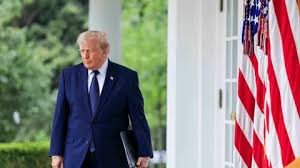
A Major Legal Blow: United States Federal Judge Strikes Down Trump’s Immunity Deal
In a decisive ruling that sends shockwaves through the political and legal landscape, a United States federal judge has voided a highly controversial legal agreement between former President Donald Trump and various federal agencies. The deal, which had previously granted Trump immunity from tax audits, has been declared invalid, reopening the door for federal scrutiny of his financial records.
The ruling comes after US District Judge Kathleen Williams determined that the legal maneuvers used to secure the agreement were fundamentally flawed and served an “improper purpose.”
The “Anti-Weaponization” Fund and the IRS Lawsuit
At the heart of the controversy was a proposed $1.8 billion “anti-weaponisation” fund. This fund was designed to compensate individuals who claimed they were unfairly targeted by the government. The creation of this fund was the centerpiece of a settlement in which Trump agreed to drop a massive $10 billion lawsuit against the Internal Revenue Service (IRS).
However, Judge Williams was not convinced by the legitimacy of the dispute. In her ruling, she highlighted several critical points:
- n
- Lack of Adversity: The judge noted that since Trump controlled the IRS as president, there was no real conflict between two opposing parties.
- Improper Purpose: The lawsuit was described not as a quest for judicial resolution, but as a vehicle to secure unauthorized perks.
- Taxpayer Burden: Williams criticized the deal as an attempt to use billions in taxpayer money to redress grievances not defined by law.
What This Means for Donald Trump’s Taxes
The immediate consequence of this ruling is that the IRS can now move forward with future audits of Trump’s tax claims. This is a significant development given the history of his financial disclosures. Previous leaks revealed that Trump paid only $750 in federal income taxes in 2016 and paid no taxes at all in 10 of the 15 years prior.
The court’s decision also prohibits Trump, his sons, and the Trump Organization from citing the terms of the now-voided settlement in any future legal proceedings.
Legal Fallout and Ethical Concerns
The ruling didn’t just target the agreement; it also cast a shadow over the legal team involved. Judge Williams referred one of Trump’s attorneys, Alejandro Brito, to state authorities to investigate potential violations of ethics rules. Furthermore, another lawyer, Daniel Epstein, has been barred from joining cases in the Southern District of Florida for at least one year.
“It is risible to suggest that there was ever adverseness between the Parties,” Judge Williams wrote, referring to the negotiation between Trump’s lawyers and the Department of Justice officials appointed by Trump himself.
Expert Analysis: A “Sweetheart Deal” Exposed
Legal experts have long criticized the agreement. Brandon DeBot, Policy Director at the Tax Law Center (based at New York University), described the original pact as a “sweetheart deal” that undermined the protections of the US tax system against political interference.
While the court’s decision is a victory for transparency, DeBot argues that congressional action is still necessary to prevent similar attempts at “presidential self-dealing” in the future.



