
The Fragility of Global Energy: A Warning for Tunisia
Recent global upheavals, from the Russia-Ukraine conflict to tensions in the Middle East, have laid bare a harsh reality: energy systems built on external dependency are dangerously fragile. For any Tunisia country analysis, it is clear that price shocks and fuel crises are not just economic hurdles—they are symptoms of a deeper lack of energy sovereignty.
While many nations are waking up to the need for energy independence, Tunisia appears to be taking a risky gamble. With an energy deficit hovering around $3.8 billion—accounting for nearly 51% of its total trade deficit—the country is at a crossroads. However, the current strategy adopted by authorities may be doing more harm than good.
The Green Transition or a Corporate Land Grab?
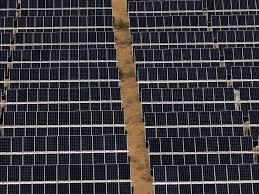
The Tunisian government recently approved five major renewable energy concessions. On the surface, projects like the solar plants in Sidi Bouzid, Gafsa, and Gabes seem like a win for the environment. With a combined capacity of 598 megawatts and an investment of $560 million, they promise a cleaner future.
But look closer, and the narrative shifts. These projects are granted to foreign multinationals under a model that critics argue is a “repackaged” version of the failed structural adjustments of the 1990s. Here is why this approach is sparking controversy:
- n
- Profit Extraction: Foreign corporations reap the profits while the Tunisian public bears the infrastructure costs.
- Fiscal Erosion: Extensive tax exemptions and stabilization clauses undermine the country’s fiscal sovereignty.
- Limited Local Growth: There is little to no meaningful technology transfer or local employment creation.
- Carbon Credit Theft: Carbon credits generated on Tunisian soil may be transferred to private multinationals rather than remaining a public asset.
Addressing the Root Cause: Beyond Solar Panels
To truly solve the energy crisis in the Tunisia country context, one must look at the numbers. Approximately 73% of Tunisia’s energy comes from petroleum products, primarily consumed by a transport sector dominated by private vehicles.
Simply adding solar plants won’t fix a structural addiction to oil. A genuine solution requires a paradigm shift, including:
- Investment in Public Transport: Reducing the reliance on private cars to slash petroleum imports.
- Domestic Refining Capacity: Upgrading the Tunisian Company of Petroleum Industries (STIR) to move up the value chain.
- Regional Cooperation: Reviving projects like the proposed joint refinery with Libya, which would have broken the cycle of dependence on European refined petroleum.
The Cost of Neocolonial Energy Models
The abandonment of sovereign regional projects in favor of foreign concessions is a classic example of structural foreclosure. By remaining subordinate to foreign powers, countries are often prevented from industrializing or building the productive sovereignty needed to challenge imperialist economic domination.
For further insights on how global energy trends affect emerging economies, you can explore the International Energy Agency (IEA) reports on the global energy transition.
Conclusion: A Transition on Our Own Terms
The urgency of transitioning to renewable energy is indisputable. However, the critical question is: Who benefits?
Tunisia’s energy crisis cannot be solved by privatizing public resources under foreign management. True sustainability requires public control, democratic oversight, and a commitment to inclusive development. The world has seen the limits of the neoliberal corporate-led model during pandemics and financial crashes; it is time for Tunisia to insist on a transition defined by the needs of its people, not the profit margins of foreign shareholders.



