
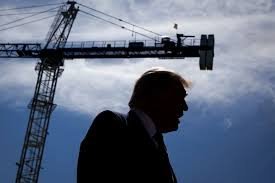
Trump’s White House Ballroom Appeal: A High-Stakes Legal Battle Over Legacy and Law
President Donald Trump has always seen himself as a builder, but his latest project at 1600 Pennsylvania Avenue has landed him in a deep legal hole. A divided appeals court recently ruled that the construction of a sprawling White House ballroom in the East Wing is unlawful, sparking a fierce legal battle that could now reach the nation’s highest court.
The Heart of the Controversy: Legacy vs. Legality
The project, which began early in Trump’s second term, aimed to transform the historic East Wing—long the headquarters for first ladies—into a massive, 90,000-square-foot ballroom. While Trump views the structure as a cornerstone of his legacy, the project has been plagued by controversy since its inception.
The Trump White House ballroom appeal centers on a critical legal question: Can the president bypass congressional approval and mandatory historic reviews to reshape one of the world’s most famous residences?
Key Points of the Legal Dispute:
- Bypassing Oversight: The courts found that Trump ignored essential congressional approvals and required assessments before breaking ground.
- Historic Destruction: The demolition of the original East Wing in October 2025 sparked outrage from preservationists.
- Funding Shifts: Initially pitched as a privately funded project at $200 million, estimates eventually climbed to $600 million, with a significant portion potentially falling on taxpayers.
The Secret Bunker: A National Security Pivot
As legal pressure mounted, the administration shifted its narrative. By February 2026, the ballroom was no longer just a luxury event space; it was framed as a national security imperative. The project includes a highly secretive underground bunker complex designed to modernize aging infrastructure with bomb shelters and top-secret military facilities.
Interestingly, the appeals court has allowed work on the underground bunker to continue, recognizing the potential security risks of leaving an open pit at the White House. However, the above-ground ballroom construction remains in a state of precarious suspension.
What Happens Next? The Path to the Supreme Court
The future of the project now rests with the Supreme Court of the United States. Trump has vowed to appeal the ruling immediately. If the high court declines to intervene, the administration may be forced to seek approval from Congress—a daunting task if political tides shift in the midterms.
Legal experts, including historic preservationists, suggest that the current deadlock is a result of the president’s refusal to follow established legal protocols. As one expert noted, the difficulty isn’t in the ability to build, but in the refusal to build legally.
Public Sentiment and the Political Cost
The project isn’t just a legal nightmare; it’s a public relations challenge. Recent polls indicate that 58% of Americans are dissatisfied or angry regarding the renovations at the White House and other DC landmarks. For many, the optics of spending hundreds of millions on a ballroom while citizens struggle economically are simply too high.
Whether the Trump White House ballroom appeal succeeds or fails, the outcome will set a major precedent for executive power and the preservation of American national heritage.



