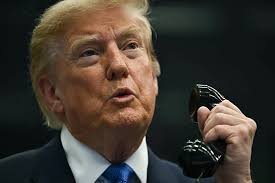
Trump’s NATO Summit Remarks: A New Era of Transatlantic Tension?
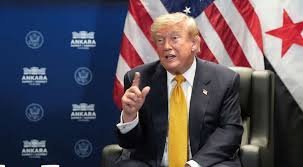
The Ripple Effect: Analyzing Donald Trump’s Remarks at the NATO Summit
The intersection of American domestic politics and global security has rarely been as volatile as it is when discussing Donald Trump’s remarks at the NATO summit. For years, the North Atlantic Treaty Organization (NATO) has stood as the bedrock of Western collective defense, but Trump’s approach has introduced a paradigm shift that challenges long-standing diplomatic norms.
The Core of the Controversy: Burden Sharing
At the heart of Trump’s rhetoric is the concept of “burden sharing.” He has consistently argued that the United States carries a disproportionate share of the financial weight of the alliance. By questioning the contributions of European allies, Trump has moved the conversation from strategic coordination to financial accountability.
Key points regarding his stance include:
- The 2% Guideline: A persistent demand that member states meet the agreed-upon target of spending 2% of their GDP on defense.
- Transactional Diplomacy: A shift toward viewing alliances through a cost-benefit lens rather than purely ideological or strategic bonds.
- Pressure on Allies: Direct criticism of nations that fail to meet spending quotas, often delivered in high-profile public forums.
The Question of Article 5 and Collective Defense
Perhaps the most provocative aspect of the NATO summit remarks involves the implicit or explicit questioning of Article 5—the clause stating that an attack on one member is an attack on all. When the commitment to collective defense is questioned, it creates a vacuum of uncertainty that geopolitical rivals may seek to exploit.
According to the official NATO website, the alliance’s strength lies in its unity. However, the tension introduced by Trump’s remarks has forced European leaders to consider “strategic autonomy,” reducing their reliance on the U.S. military umbrella.
Global Implications and the Future of the Alliance
The legacy of these remarks extends beyond mere rhetoric. They have sparked a global debate on whether the post-WWII security architecture is still viable in a multipolar world. While some argue that Trump’s pressure has successfully pushed European nations to increase their defense budgets, others fear the erosion of trust between the U.S. and its closest partners.
What does this mean for the future?
- Increased European Defense Spending: Many NATO members have indeed increased their budgets in response to U.S. pressure.
- Diplomatic Friction: Strained relations between the White House and European capitals.
- Shift in Global Power: A potential realignment of security priorities in Eastern Europe and the Indo-Pacific.
Conclusion
Whether viewed as a necessary wake-up call for allies or a dangerous destabilization of global order, Donald Trump’s remarks at the NATO summit have irrevocably changed the conversation surrounding international security. As the world navigates increasing instability, the ability of NATO to balance financial demands with strategic unity will be the ultimate test of the alliance.
📰 You May Also Like