
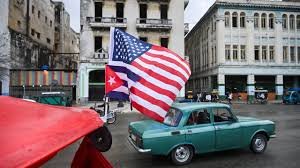
The relationship between the United States and Cuba has been fraught with tension for decades, marked by embargoes, political maneuvering, and ideological clashes. While the Obama administration initiated a period of thawing relations, the arrival of Donald Trump brought a significant and often controversial shift in US policy towards the island nation. This article delves into the specifics of Trump’s Cuba policy, its repercussions, and the potential implications for the future of US-Cuba relations.
The Obama Thaw: A Brief Recap
Before examining Trump’s actions, it’s crucial to understand the context. The Obama administration, beginning in 2014, embarked on a path of normalizing relations with Cuba. This included re-establishing diplomatic ties, easing travel restrictions, and loosening some trade and financial regulations. The aim was to encourage political and economic reforms within Cuba through engagement rather than isolation. This approach was largely seen as a pragmatic attempt to move beyond decades of failed policy. You can find more information about the Obama administration’s policy here.
Trump’s Rollback: A Return to Hardline Tactics
Donald Trump, however, viewed the Obama-era policies as a concession to a communist regime. Upon taking office in 2017, his administration began systematically dismantling the progress made. Key changes included:
- Travel Restrictions: The administration tightened restrictions on Americans traveling to Cuba, particularly prohibiting individual “people-to-people” educational trips that had become popular under Obama.
- Remittance Limits: Limits were placed on the amount of money Cuban-Americans could send to family members in Cuba.
- Hotel Restrictions: Americans were prohibited from staying at hotels owned or controlled by the Cuban military, a significant portion of the tourism industry.
- Reinforced Embargo: The Trump administration actively enforced the existing US embargo, making it more difficult for businesses to engage with Cuba.
- Designation of Cuba as a State Sponsor of Terrorism: In the waning days of his presidency, Trump re-designated Cuba as a state sponsor of terrorism, a move widely criticized by international observers.
These policies were justified by the Trump administration as a response to Cuba’s human rights record and its support for the Venezuelan government. Critics, however, argued that the policies harmed the Cuban people, stifled economic growth, and isolated the US from its allies who favored engagement.
The Impact of Trump’s Policies
The impact of Trump’s policies was multifaceted. The Cuban economy, already struggling, faced further challenges as tourism revenue declined and access to remittances was restricted. The re-designation as a state sponsor of terrorism further complicated international financial transactions and deterred foreign investment. While the stated goal was to pressure the Cuban government, many argue that the policies primarily affected ordinary Cubans. The Brookings Institution provides a detailed analysis of the economic impact here.
The Biden Administration and the Future of US-Cuba Relations
With the election of Joe Biden, there was hope for a return to a more constructive approach. The Biden administration has taken some steps to reverse Trump’s policies, including easing some travel restrictions and resuming remittances. However, a full-scale return to the Obama-era policies seems unlikely, given the political complexities and ongoing concerns about human rights in Cuba. The future of US-Cuba relations remains uncertain, but a continued dialogue and a focus on supporting the Cuban people are crucial for fostering positive change. The Council on Foreign Relations offers ongoing coverage of this evolving situation: https://www.cfr.org/cuba
Ultimately, the legacy of Trump’s Cuba policy is one of disruption and regression. While the intention may have been to promote democracy and human rights, the consequences arguably exacerbated the challenges faced by the Cuban people and hindered the prospects for a more open and prosperous future.



