
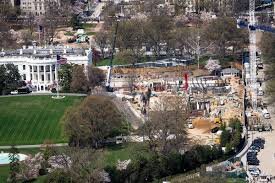
The Trump White House Ballroom, a space steeped in history and tradition, underwent significant renovations during the Trump administration. These changes, however, weren’t without controversy, sparking debate about cost, approvals, and the overall aesthetic impact on one of America’s most iconic rooms. This article delves into the details of the renovations, the approvals received (and questioned), and the lasting legacy of these changes.
The Renovations: What Changed?
The renovations, completed in 2020, involved a complete overhaul of the ballroom’s décor. The most notable changes included the replacement of a decades-old carpet with a custom-designed rug, the addition of new wall coverings, and the installation of updated lighting fixtures. While proponents argued these updates were necessary to restore the ballroom to its former glory, critics pointed to the lavish spending and the departure from the room’s historical character. The project was overseen by First Lady Melania Trump, who aimed to create a more elegant and modern space for official events.
Details about the specific design choices and the rationale behind them were often shrouded in secrecy, fueling speculation and criticism. The new rug, in particular, drew attention for its intricate design and substantial cost. The White House Historical Association https://www.whitehousehistory.org/ provides valuable context on the history and preservation of the White House, offering a point of comparison for these changes.
Approval Processes and Scrutiny
The approval process for the renovations became a focal point of controversy. Questions were raised about whether proper procedures were followed, particularly regarding the use of private donations and the involvement of outside contractors. Reports surfaced suggesting that the renovations exceeded initial budget estimates and that some approvals were granted without full transparency. The General Services Administration (GSA), responsible for managing federal properties, including the White House, faced scrutiny over its oversight of the project. You can find more information about the GSA’s role https://www.gsa.gov/.
Congressional committees launched investigations into the matter, seeking to determine whether any laws or regulations were violated. These investigations uncovered evidence of questionable financial practices and a lack of clear documentation. The debate over the renovations extended beyond financial concerns, encompassing broader questions about the use of public funds and the preservation of historical landmarks.
The Lasting Impact and Legacy
The Trump White House Ballroom renovations remain a subject of debate. While the updated space has been used for numerous official events since its completion, the controversy surrounding its creation continues to linger. The renovations serve as a case study in the complexities of White House preservation and the challenges of balancing historical accuracy with modern aesthetics. The long-term impact of these changes on the ballroom’s historical significance remains to be seen.
Ultimately, the story of the Trump White House Ballroom renovations highlights the importance of transparency and accountability in government spending and the need to protect our nation’s historical treasures. It’s a reminder that even seemingly cosmetic changes to iconic spaces can have significant political and cultural ramifications.



