
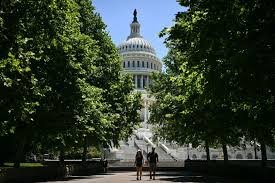
Cracks in the Foundation: The Rising Tension Between Trump and the GOP
For years, President Donald Trump has stood as the undisputed titan of the Republican party. However, recent developments on Capitol Hill suggest that his once-unshakable grip is beginning to slip. While the GOP remains largely aligned with the broader White House agenda, a growing wave of Senate Republican disagreements is signaling a shift in the political winds.
The friction isn’t coming from the usual outliers. Instead, a broader coalition of lawmakers is becoming increasingly frustrated with decisions they perceive as “reckless” and disconnected from the needs of the average American voter. As the November elections loom, the calculation for many Republicans has shifted from absolute loyalty to political survival.
The Flashpoints: Pet Projects and Political Retribution
The tension has boiled over into several high-profile disputes. While Republicans recently pushed through a massive $70 billion funding package for Immigration and Customs Enforcement (ICE) and Customs and Border Protection, the victory was nearly derailed by internal revolt.
Lawmakers expressed outrage over Trump’s insistence on a $1.8 billion settlement fund, which critics argue is designed to reward political allies rather than serve the public interest. This is just one of several “pet projects” causing friction, including:
- n
- The White House Ballroom: A lavish expenditure that has sparked backlash among fiscally conservative senators.
- Controversial Appointments: The selection of MAGA loyalist Bill Pulte for a top intelligence role has been met with skepticism and threats of heavy scrutiny.
- Primary Interference: Trump’s tendency to endorse candidates against incumbent GOP lawmakers has created deep-seated resentment.
Foreign Policy and the “Warpath”
Beyond domestic spending, foreign policy is becoming a primary source of contention. For the first time since the Iran conflict began in February, House Republicans have voted to direct the President to withdraw, reflecting a growing exhaustion with the administration’s approach to war.
Similarly, a notable group of Republicans has bucked party leadership to support sanctions regarding the Russia-Ukraine conflict. These moves indicate that the fear of defying Trump is being outweighed by the fear of losing their seats in competitive districts.
The Electoral Calculus: Survival Over Loyalty
The underlying driver of these Republican disagreements is the upcoming election. Vulnerable senators and representatives are increasingly worried that the President’s falling approval ratings—and his focus on personal retribution—could cost the party control of the Senate.
“If no one’s looking out for me, I have to look out for myself,” admitted one senior GOP aide, highlighting the growing sentiment among lawmakers facing tough reelection bids.
From Sen. Lisa Murkowski’s opposition to broad immigration funding to the “YOLO” senators—those whose careers were personally targeted by Trump—the trend is clear: the GOP is starting to plan around the President rather than with him.
Conclusion: A Party at a Crossroads
While figures like Newt Gingrich argue that Trump’s successes outweigh his erratic tendencies, the atmosphere on Capitol Hill tells a different story. With the administration often driven by the President’s immediate whims, the Republican establishment is left navigating a volatile landscape.
As we move closer to November, the tension between loyalty to the leader and loyalty to the electorate will likely define the trajectory of the GOP. Whether Trump can mend these fences or if the Senate Republican disagreements will widen further remains the most critical question in US politics today.



