Trump Ukraine Energy Ceasefire: A Path to Peace or a Diplomatic Gamble?
Trump Ukraine Energy Ceasefire: A Path to Peace or a Diplomatic Gamble?
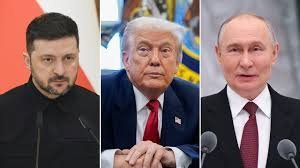
The geopolitical landscape of the Russia-Ukraine conflict has taken a sharp turn following President Donald Trump’s announcement of an immediate energy ceasefire. While the proposal aims to halt attacks on critical energy infrastructure to stabilize global markets and save lives, the reality on the ground tells a more complex story of defiance and diplomatic tension.
Zelenskyy’s Stance: A ‘Good First Step’ Amidst Chaos
In a recent interview on America’s Newsroom, Ukrainian President Volodymyr Zelenskyy expressed cautious optimism, labeling Trump’s initiative a “good first step” toward ending the devastating war. However, the optimism is tempered by a harsh reality: Russia has reportedly continued its onslaught on Ukraine’s gas and electricity grids.
Zelenskyy emphasized that while Kyiv has honored the spirit of the ceasefire by refraining from striking Russian energy facilities, Vladimir Putin has shown no such restraint. According to the Ukrainian leader, the continued attacks on infrastructure are a direct response to Trump’s peace efforts, signaling Moscow’s current reluctance to commit to a truce.
The Oil Refinery Dispute: Economics vs. Survival
One of the most contentious points in the Trump Ukraine dialogue is the targeting of Russian oil refineries. President Trump has frequently criticized Ukraine’s strategy of hitting these facilities, arguing that such actions drive up global fuel prices and hurt U.S. consumers.
- n
- Trump’s Perspective: Reducing attacks on refineries is essential to lowering energy costs worldwide.
- Zelenskyy’s Perspective: A ceasefire limited only to refineries is insufficient. He argues that for a deal to work, Russia must first stop destroying Ukraine’s power plants and electricity grids.
Zelenskyy’s position is clear: “If Russia will not attack our energy, we will not attack the energy.” This conditional commitment highlights the deep mistrust remaining between the two warring nations.
Political Friction and the Call for New Elections
Beyond the battlefield, diplomatic friction is rising over the internal governance of Ukraine. President Trump has suggested that Ukraine may need a new leader to reach a negotiated settlement with Russia, sparking a defensive response from Zelenskyy.
While Zelenskyy stated he is open to organizing new elections, he pointed out a critical logistical hurdle: security. He argued that it is impossible to hold fair and safe elections while thousands of Russian drones and ballistic missiles are actively targeting the population. He requested a minimum 60-day security window to ensure the safety of voters and infrastructure.
The Diesel Deal: A Controversial Move
Adding to the controversy is Trump’s decision to ease restrictions on Russian diesel supplies to global markets. While intended to stabilize prices, the move has drawn sharp criticism from policymakers. Experts, including former State Department officials, warn that this could inadvertently fund Putin’s “war machine,” undermining the very sanctions intended to pressure Moscow into peace.
Zelenskyy, however, challenged the narrative that Ukrainian strikes are the primary driver of diesel prices, pointing instead to volatility in the United Nations monitored regions, specifically the blocking of the Strait of Hormuz.
Conclusion: The Road Ahead
The push for a Trump Ukraine peace deal represents a high-stakes effort to move from a war of attrition to a negotiated settlement. While the energy ceasefire offers a glimpse of a potential exit strategy, the lack of confirmation from the Kremlin and the continued strikes on civilians suggest that the path to peace remains fraught with danger.
For now, the world watches to see if diplomatic pressure from Washington can truly force Putin to the negotiating table or if the “energy ceasefire” will remain a hopeful but unimplemented proposal.
📰 You May Also Like