
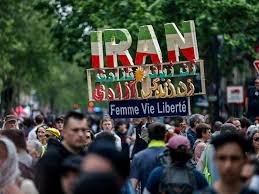
The Deadlock: Why Trump is Saying ‘No’ to Iran’s Peace Terms
The geopolitical tug-of-war between Washington and Tehran has reached a new point of friction. US President Donald Trump has officially voiced his frustration regarding the latest peace proposal submitted by Iran, stating bluntly that the terms are unacceptable. According to the President, the Iranian administration is requesting concessions that he simply “can’t agree to.”
Beyond the immediate demands, Trump expressed a deeper concern: the risk of a superficial peace. He cautioned that rushing to end the conflict under the current terms could be a strategic mistake, potentially leading to a scenario where tensions resurface in just a few years, leaving the region in a cycle of instability.
Economic Warfare: The Strait of Hormuz and New Sanctions
While diplomatic talks stall, the United States is ramping up its economic pressure. Washington has issued a stern warning regarding maritime activities in one of the world’s most critical chokepoints: the Strait of Hormuz.
The US government has signaled a tougher stance, warning that any shipping vessels paying tolls or fees to Iran to transit through the strait could face severe US sanctions. This move is designed to squeeze Tehran’s revenue streams and assert maritime dominance in a region vital for global oil supplies.
Key Points of the Current Escalation:
- n
- Unacceptable Demands: Trump rejects Iran’s latest peace proposal due to unsustainable conditions.
- Long-term Stability: The US administration fears a “quick fix” will only delay future conflicts.
- Maritime Sanctions: New threats against ships paying transit fees to Iran in the Strait of Hormuz.
Public Sentiment: A Divided American Perspective
Despite the administration’s hardline approach, internal polling suggests that the American public may not be fully on board with military escalation. A recent joint poll conducted by the Washington Post, ABC News, and Ipsos reveals a significant divide.
According to the data, 61 percent of Americans believe that the use of military force against Iran was a mistake. This highlights a growing tension between the White House’s strategic goals and the prevailing sentiment of the US electorate, who may be wary of entering another protracted Middle Eastern conflict.
What Happens Next?
As the US continues to utilize diplomatic and economic leverage to pressure Tehran, the world watches the Strait of Hormuz closely. The balance between maintaining national security and avoiding a full-scale war remains a delicate act for the Trump administration.
Whether a compromise can be reached or if sanctions will lead to a complete diplomatic breakdown remains to be seen, but one thing is clear: the road to peace between the US and Iran is fraught with obstacles.



