
Trump’s Stance on Iran and the Threat to Global Oil Prices
The situation surrounding Iran continues to escalate, with US President Donald Trump issuing increasingly firm deadlines and threats. These actions are raising concerns about a potential military conflict and its significant impact on global oil prices. This article provides live updates on the unfolding events, analyzing Trump’s statements, Iran’s responses, and the potential consequences for the region and the world.
Trump’s Deadline and Military Threats
President Trump has repeatedly warned of severe consequences if Iran does not alter its course. He recently stated that Iran could be “taken out in one night,” suggesting a potential military strike. This ultimatum, initially set for Tuesday, has created a critical period of uncertainty. Trump has also threatened to target Iran’s critical infrastructure, including bridges and power plants, claiming the Iranian people would be willing to endure hardship for the sake of freedom. Such actions would be considered a war crime under international law.
Iran’s Defiant Response and Regional Warnings
Tehran has vehemently rejected any attempts at compromise, demanding a permanent end to the conflict. Supreme Leader Mojtaba Khamenei asserted that Iran’s forces will not be deterred by the assassinations of commanders, following the recent killing of a top Revolutionary Guard spy. Meanwhile, the Israel Defense Forces (IDF) issued an “urgent warning” to Iranian citizens, advising them to avoid trains and railway lines for 12 hours, citing potential danger to their safety. This warning, delivered in Farsi via X (formerly Twitter), underscores the heightened tensions and potential for immediate action.
Ceasefire Proposals and International Reactions
Despite efforts to de-escalate the situation, a proposed 45-day ceasefire was deemed “not good enough” by President Trump. Iran also rejected the proposal, seeking a more comprehensive and lasting resolution. Qatar has condemned Iran’s targeting of regional states and urged a diplomatic solution, emphasizing the need to protect civilian infrastructure and respect international law.
Humanitarian Concerns and Allegations
Concerns are growing regarding potential humanitarian consequences. Following Trump’s threats, Iranian youth have been called upon to form a “human chain” around power plants to protect them from potential attacks. Furthermore, reports have surfaced alleging Iran’s recruitment of child soldiers, a violation of international humanitarian law, echoing past practices during the Iran-Iraq war.
Recent Strikes and Accusations
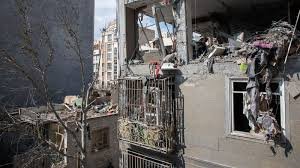
Israel has reportedly conducted a series of airstrikes targeting Iran, including a facility processing uranium ore (yellowcake). Iran has condemned these strikes as a violation of protections for peaceful nuclear sites. The US and Israel have yet to comment on these allegations. The Iranian Red Crescent has shared footage of rescue workers searching through rubble following an alleged airstrike in Tehran.
The Role of Oil Prices
The Strait of Hormuz, a critical waterway for global oil supply, remains a focal point of the conflict. Trump’s demands for its reopening, coupled with the threat of military action, have fueled concerns about disruptions to oil shipments and a potential surge in prices. The stability of the region is paramount to maintaining a consistent and affordable energy supply worldwide. You can find more information about global oil markets at The U.S. Energy Information Administration.
Looking Ahead
The situation remains highly volatile and unpredictable. The coming days will be crucial in determining whether a diplomatic solution can be reached or if the region will descend into further conflict. The world watches closely, bracing for the potential consequences of a miscalculation or escalation.



