
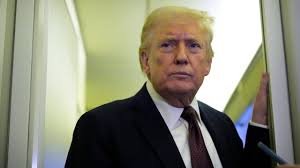
The Strait of Hormuz, a narrow waterway connecting the Persian Gulf to the Gulf of Oman and the Arabian Sea, is once again a focal point of international concern. Recent events, coupled with the rhetoric surrounding former US President Donald Trump, have significantly heightened anxieties about potential disruptions to global oil supplies and a possible escalation of conflict in the region. This article delves into the complexities of the situation, examining Trump’s past and potential future actions, and the broader geopolitical implications.
The Strategic Importance of the Strait of Hormuz
The Strait of Hormuz is arguably one of the world’s most strategically important chokepoints. Approximately 20% of the world’s oil supply passes through this narrow passage daily, making it vital to global energy security. Any disruption to traffic through the Strait – whether due to military action, political instability, or piracy – could have devastating consequences for the global economy. This vulnerability is precisely why the region is so closely monitored by international powers.
Trump’s History with the Strait of Hormuz
During his presidency, Donald Trump adopted a “maximum pressure” campaign against Iran, withdrawing the United States from the Joint Comprehensive Plan of Action (JCPOA), commonly known as the Iran nuclear deal. This led to increased tensions in the Persian Gulf, including several incidents involving oil tankers in the Strait of Hormuz in 2019. The Trump administration accused Iran of being behind these attacks, a claim Iran denied. Trump initially considered a military response but ultimately opted for increased sanctions and a build-up of US military presence in the region. His approach was characterized by unpredictable statements and a willingness to confront Iran directly.
Trump’s rhetoric often focused on protecting shipping lanes and ensuring the free flow of oil. He repeatedly warned Iran against interfering with maritime traffic, threatening severe consequences. This stance, while aimed at deterring Iranian aggression, also raised concerns about the potential for miscalculation and accidental escalation. A detailed analysis of his statements can be found at The Council on Foreign Relations.
Current Tensions and Potential Scenarios
Even with a new administration in the White House, tensions in the Strait of Hormuz remain high. Iran continues to develop its ballistic missile program and maintains a significant naval presence in the region. Recent seizures of tankers by Iran, and the ongoing proxy conflicts in Yemen and Syria, contribute to the volatile environment. The possibility of a return to the JCPOA remains uncertain, further complicating the situation.
Several scenarios could lead to further escalation. These include:
- Direct Military Confrontation: A clash between US and Iranian forces, either intentional or accidental, could quickly spiral out of control.
- Increased Sabotage: Further attacks on oil tankers or infrastructure could provoke a stronger response from the international community.
- Proxy War Escalation: An intensification of conflicts in Yemen or Syria could draw in regional and international powers, increasing the risk of wider conflict.
- Iranian Nuclear Breakthrough: If Iran were to significantly advance its nuclear program, it could trigger a preemptive military strike.
The Role of Donald Trump – A Potential Wildcard
While no longer in office, Donald Trump’s potential return to power adds another layer of uncertainty. His past actions and unpredictable nature suggest that he could adopt a similarly confrontational approach to Iran, potentially reigniting tensions in the Strait of Hormuz. His views on the JCPOA remain staunchly negative, and he has repeatedly criticized the current administration’s efforts to revive the deal. Understanding his potential policy shifts is crucial for assessing the future stability of the region. Further insights into his foreign policy positions can be found at Brookings Institution.
The Strait of Hormuz remains a critical flashpoint in global geopolitics. Navigating the complex dynamics of the region requires careful diplomacy, a commitment to de-escalation, and a clear understanding of the potential risks. The shadow of Donald Trump’s past actions, and the possibility of his future involvement, looms large over the future of this vital waterway.



