
Trump and Iran: Is a Diplomatic Breakthrough Near Amid Global Energy Crisis?
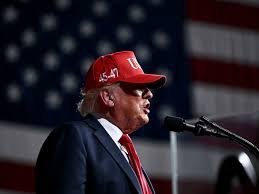
The geopolitical tension between the United States and Iran has reached a critical tipping point. With global energy markets on edge and oil prices skyrocketing, President Donald Trump has sparked international debate by suggesting that the U.S. is “hopefully toward the end” of its conflict with Tehran.
But is this optimism backed by reality, or is it a strategic move in a high-stakes game of diplomatic chess? Let’s dive into the details of the current standoff, the economic repercussions, and the international efforts to restore peace.
The Clash of Narratives: Direct Talks or Mixed Signals?
President Trump recently claimed to have spoken directly with Iranian officials, suggesting that Tehran is eager to reach a deal quickly. This claim is significant because, historically, communication between Washington and Tehran has relied heavily on intermediaries like Qatar, Pakistan, and Oman.
However, the narrative from Tehran tells a different story. Mohsen Rezaei, secretary of Iran’s Supreme National Security Council, has accused the U.S. president of sending “mixed signals,” insisting that no negotiations will occur until Iran’s specific conditions are met. This deadlock highlights a recurring pattern of public posturing and private friction.
The Economic Trigger: Oil Prices and the Strait of Hormuz
The conflict isn’t just a political battle; it is a global economic threat. The Strait of Hormuz, a vital artery through which roughly one-fifth of the world’s oil and gas passes, has seen increasing instability due to Iranian blockades.
- Price Surge: Oil prices recently crossed the $100 per barrel mark, driven by fears of supply disruptions.
- Houthi Involvement: Iran-linked Houthi rebels in Yemen have targeted Saudi oil installations, further destabilizing energy security.
- Strategic Chokepoints: As the Strait of Hormuz becomes a flashpoint, the Bab al-Mandeb strait has emerged as a critical alternative route, though it too remains under threat.
Global Mediators: China’s Rising Influence
With the U.S. and Iran locked in a cycle of mistrust, other global powers are stepping in. China, in particular, is positioning itself as a key peacemaker. During the BRICS summit, President Xi Jinping expressed Beijing’s willingness to facilitate peace in the Middle East.
Chinese Foreign Minister Wang Yi has urged both nations to exercise restraint and reopen the Strait of Hormuz. Analysts suggest that the U.S. may actually need China’s leverage to bring Iran back to a sustainable agreement, reflecting a shift in the global strategic balance.
What Happens Next?
All eyes are now on the upcoming UN General Assembly, where President Trump is expected to meet with Gulf leaders to discuss the impact of the conflict on oil exports. The collapse of a previous Pakistan-brokered Memorandum of Understanding (MoU) serves as a warning that peace is fragile.
Whether the war truly is “toward the end” depends on whether both sides can move beyond rhetoric and commit to verifiable terms. For now, the world watches the markets and the waterways, hoping for a resolution before the energy crisis worsens.
Stay updated on the latest geopolitical developments by following reports from authoritative sources like Reuters and Al Jazeera.



