
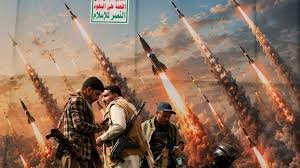
High-Stakes Diplomacy: Trump Personally Leads Iran Negotiations
In a move that could reshape global energy markets and Middle Eastern stability, President Donald Trump has revealed that he is personally steering negotiations with Iran. The primary objective? The reopening of the Strait of Hormuz, one of the world’s most critical maritime chokepoints connecting the Persian Gulf to the Gulf of Oman.
While a final agreement has not yet been signed, the President expressed significant optimism, stating that the talks are going “very well” and a resolution could be reached in the near future. This diplomatic push comes after a period of intense military pressure, signaling a complex strategy of “maximum pressure” paired with open doors for negotiation.
Economic Ripple Effects: Gas Prices and Energy Stability
One of the most immediate impacts of these negotiations is being felt at the pump. President Trump argues that the U.S. military stance against Tehran has actually helped stabilize energy markets. According to recent data from AAA, national average gasoline prices have shown a downward trend, dropping from $4.11 a week ago to approximately $4.04.
White House National Economic Council Director Kevin Hassett noted that while energy prices remain somewhat inflated, they are significantly lower than many analysts had predicted during the height of the conflict. The administration believes that as the conflict winds down, these prices will continue to fall, providing much-needed relief to consumers.
Military Deterrence and the “Epic Fury” Backdrop
Diplomacy is not happening in a vacuum. The U.S. military remains on high alert, maintaining a strategic blockade of Iranian ports to ensure leverage. Key military developments include:
- n
- Operation Epic Fury: Launched on February 28, this operation saw consistent strikes on Iranian military targets to protect commercial vessels.
- Missile Defense: The U.S. and Israel recently successfully tested the Arrow missile defense system, strengthening their combined shield against long-range ballistic threats.
- Naval Presence: U.S. Marine Corps aviation assets aboard the USS Boxer continue to enforce the blockade.
n
n
n
A Shifting Regional Landscape: New Alliances and Nuclear Fears
Beyond the U.S.-Iran dynamic, the region is seeing a major realignment. In a historic move, Saudi Arabia, Turkey, and Pakistan have signed a mutual defense agreement. This pact stipulates that an attack on one is an attack on all, aimed at deterring aggression from Iran-backed militias and Houthi rebels.
However, not everyone is convinced by the prospect of a quick peace. Israeli Prime Minister Benjamin Netanyahu has issued stern warnings regarding Iran’s nuclear ambitions. Following reports of comments from IRGC chief Ahmad Vahidi, Netanyahu reaffirmed that Israel will prevent Iran from obtaining nuclear weapons, regardless of any diplomatic deal signed by the U.S.
Expert Insight: Transactional Deal or Long-Term Strategy?
While the White House focuses on the immediate reopening of the Strait, experts warn against complacency. Nazee Moinian from the Middle East Institute suggests that Iran’s revolutionary government views the conflict through an ideological lens rather than a transactional one. According to Moinian, Tehran’s ultimate goal remains the diminution of American influence in the region, regardless of short-term agreements.
As the world watches the Strait of Hormuz, the balance between military force and diplomatic finesse will determine whether this potential deal leads to lasting peace or a temporary ceasefire in a much larger geopolitical struggle.



