
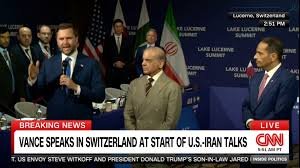
The Swiss Standoff: A New Chapter in US-Iran Relations?
The world is watching Bürgenstock, Switzerland, as high-level officials from the United States and Iran engage in a diplomatic tightrope walk. With the mediation of Pakistan and Qatar, these negotiations aim to resolve some of the most volatile issues in global politics: the conflict in Lebanon, the Iranian nuclear program, and the strategic control of the Strait of Hormuz.
While US Vice President JD Vance has expressed optimism about “turning over a new leaf” and fundamentally transforming the relationship between the two nations, the atmosphere remains electric with tension. The goal is clear: a regional peace that swaps nuclear ambitions for diplomatic stability.
The Trump Factor: Diplomacy via Threat
In a characteristic move, President Donald Trump has balanced the diplomatic efforts in Switzerland with aggressive rhetoric. In a recent interview, Trump threatened to “take over” the Strait of Hormuz—a critical artery for global oil supplies—if a deal is not reached. He even suggested that the US could become the “guardian angel” of the strait, collecting tolls from passing ships.
This “maximum pressure” approach has drawn sharp criticism from Tehran. Iran’s chief negotiator, Mohammad Bagher Ghalibaf, described the US threats as a sign of “desperation,” warning that Iran’s military is fully prepared to respond if the US attempts to infringe upon its sovereignty.
The Three Pillars of the Negotiation
The current talks are centered around a 14-point memorandum of understanding. To understand the complexity of the Trump-Iran dynamic, we must look at the three main sticking points:
- The Lebanon Crisis: Iran has made it clear that no peace deal is valid unless there is a total cessation of hostilities between Israel and Hezbollah in Lebanon. This has effectively linked the fate of the US-Iran deal to the violence in the Levant.
- The Nuclear Stockpile: A primary goal for the US is the dismantling of Iran’s nuclear capabilities. While Tehran has signed agreements stating it will not develop nuclear weapons, the disposal of its current enriched material remains a contentious issue. For more on nuclear oversight, the International Atomic Energy Agency (IAEA) continues to monitor these developments closely.
- Economic Sanctions: Iran is seeking a temporary exemption from US sanctions on oil and oil derivatives, as well as the release of frozen assets. Some progress has been made on a draft agreement, but implementation depends on the resolution of the Lebanon conflict.
Global Energy and the Economic Ripple Effect
The volatility of these talks is felt directly at the gas pump. Last week, Brent crude prices settled around $80 a barrel, providing some relief to US consumers. However, energy experts warn that any closure of the Strait of Hormuz could send oil prices skyrocketing again.
Interestingly, this instability is accelerating a global shift. According to researchers at Columbia University, many nations are now diversifying their energy sources, moving faster toward renewables and electric vehicles to reduce their dependence on Middle Eastern oil.
Conclusion: Peace or Escalation?
The road to a lasting agreement between Trump and Iran is fraught with contradictions. On one hand, you have JD Vance’s vision of a transformed relationship; on the other, you have the threat of “obliteration” echoed by US hawks like Senator Lindsey Graham.
As the 60-day negotiation window unfolds, the world remains on edge. Whether these talks lead to a regional ceasefire or a new era of confrontation depends on whether the parties can move past the rhetoric and find common ground in Switzerland.



