
Tensions Rise: Donald Trump Signals Major US Troop Cuts in Germany
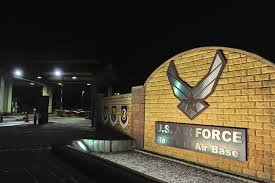
The geopolitical landscape of Europe is facing a potential seismic shift. In a recent move that has sent ripples through NATO and the European Union, Donald Trump has warned of a significant reduction in the US military presence in Germany. While the Pentagon initially announced a cut of 5,000 soldiers—representing roughly 15% of the 36,000 troops stationed there—Trump has indicated that the reductions could go much further.
This decision comes at a precarious time for international security, as the US-Germany relationship faces mounting pressure over strategic disagreements and economic disputes.
The Catalyst: Strategic Friction and NATO Concerns
The tension appears to have peaked following comments from German Chancellor Friedrich Merz, who suggested that the United States lacked a coherent strategy regarding Iran. This critique, coupled with Trump’s long-standing demand that European allies increase their own defence spending, has accelerated the push for a US withdrawal.
However, not everyone in Washington agrees with this approach. High-ranking Republicans, including Mike Rogers and Roger Wicker, have expressed deep concern, arguing that a premature withdrawal could:
- n
- Weaken Deterrence: Reducing troops before European investments are fully operational could leave a security vacuum.
- Send a Wrong Signal: Critics argue this move could be interpreted as a sign of weakness by NATO adversaries, specifically Vladimir Putin.
- Destabilize Allies: The move threatens the collective security framework that has existed since the Cold War.
Beyond Military: The Looming Trade War
The friction isn’t limited to military bases. Donald Trump has also targeted the German economy, specifically the automotive sector. He has threatened to raise tariffs on vehicles imported from the European Union to 25%, citing a failure to fully implement previous trade agreements.
The impact of such tariffs would be devastating for the German car industry, which is already struggling with economic headwinds. Hildegard Müller, president of the German Automotive Industry Association (VDA), has urgently called for de-escalation and immediate negotiations to avoid massive financial losses.
Germany’s Response: A Call for European Autonomy
German Defense Minister Boris Pistorius has maintained a pragmatic stance, acknowledging that a US drawdown was expected. He emphasized that Europe must take greater responsibility for its own security. Despite this, Pistorius maintains that the US presence remains a vital component of “collective deterrence,” benefiting both the US and its allies.
Looking Ahead: A New Era of Transatlantic Relations?
The possibility of troop reductions doesn’t stop at Germany; similar cuts are being considered for Italy and Spain. As the US pivots its strategy, the EU is left to balance its reliance on American protection with the urgent need for strategic autonomy.
For more information on current global security trends, you can follow updates from Reuters to stay informed on the evolving US-EU trade dynamics.



