
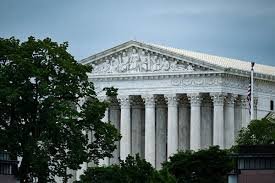
The Supreme Court of the United States: The Final Arbiter of Law
The Supreme Court of the United States (often referred to as SCOTUS) is more than just a legal institution; it is the cornerstone of the American judicial system. As the highest court in the land, its decisions are final, binding, and often shape the social and political landscape of the country for generations.
What is the Role of the Supreme Court?
The primary responsibility of the Supreme Court is to interpret the Constitution of the United States. Through the power of judicial review, the Court ensures that laws passed by Congress and actions taken by the Executive branch align with the fundamental law of the land.
When the Court decides a case, it creates a legal precedent. This means that all lower courts must follow the Supreme Court’s interpretation of the law in similar future cases, providing stability and consistency to the US legal framework.
How the Court Operates: Key Facts
To understand how the Supreme Court of the United States functions, it is essential to look at its structure and process:
- The Justices: The Court currently consists of one Chief Justice and eight Associate Justices. They are appointed for life, which is designed to insulate them from political pressure.
- The Selection Process: Justices are nominated by the President of the United States and must be confirmed by the Senate.
- The “Rule of Four”: The Court does not hear every case appealed to it. For a case to be heard, at least four of the nine justices must agree that the case warrants a review (this is known as granting a writ of certiorari).
The Impact of Landmark Decisions
Throughout history, the Supreme Court of the United States has issued rulings that have fundamentally altered American life. From the abolition of segregation in Brown v. Board of Education to the establishment of judicial review in Marbury v. Madison, the Court’s influence is pervasive.
These decisions often reflect the evolving interpretation of the Constitution, balancing traditional values with contemporary societal needs.
Where to Find Official Records?
For those interested in tracking current cases or reading full opinions, the official website of the Supreme Court of the United States is the most authoritative source. Additionally, platforms like Oyez provide an excellent multimedia archive of oral arguments.
Conclusion
The Supreme Court of the United States remains one of the most powerful entities in the global legal arena. By interpreting the law and safeguarding constitutional rights, it maintains the delicate balance of power within the US government. Whether you are a law student, a political enthusiast, or a concerned citizen, understanding SCOTUS is key to understanding the American democracy.



