
The Strategic Importance of the Strait of Hormuz
When discussing global geopolitics and energy security, one name consistently surfaces: Hormuz. Specifically, the Strait of Hormuz, a narrow waterway connecting the Persian Gulf with the Gulf of Oman and the Arabian Sea. While it may seem like a simple geographic feature, it is arguably the most important strategic chokepoint in the world.
For anyone tracking oil prices or international relations, understanding the dynamics of this region is essential. But why exactly is this small strip of water so influential?
Why is the Strait of Hormuz a Global Chokepoint?
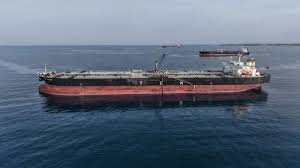
The primary reason for the Strait’s significance is the sheer volume of energy that passes through it. It serves as the primary artery for oil exports from the Middle East to the rest of the world.
- n
- Massive Oil Flow: Approximately one-fifth of the world’s total petroleum liquids consumption passes through the Strait daily.
- Key Exporters: It is the only sea route for exports from Saudi Arabia, Iraq, the UAE, Kuwait, and Iran.
- LNG Shipments: Beyond crude oil, the Strait is vital for the transport of Liquefied Natural Gas (LNG), particularly from Qatar.
Geopolitical Tensions and Economic Volatility
Because of its strategic value, the Strait of Hormuz is often at the center of political friction. Tensions between regional powers, particularly Iran and the United States, frequently lead to threats of closing the waterway. Even the perception of a potential blockade can cause immediate spikes in global oil prices.
Market volatility occurs because there are very few viable alternatives. While some pipelines exist to bypass the Strait, they cannot handle the massive volume of oil currently transported by tankers. This creates a dependency that gives regional players significant leverage on the world stage.
The Ripple Effect on Your Wallet
You might wonder how a conflict in the Persian Gulf affects a consumer in New York or London. The answer lies in the global supply chain. When instability rises near Hormuz:
- Crude prices rise due to fear of supply shortages.
- Gasoline and heating oil costs increase at the pump.
- Transportation costs climb, leading to inflation in the price of consumer goods.
To learn more about how global energy markets are monitored, you can visit the International Energy Agency (IEA), which provides comprehensive data on energy security.
Conclusion
The Strait of Hormuz is more than just a maritime passage; it is a barometer for global economic stability. As the world transitions toward renewable energy, the reliance on this chokepoint may eventually decrease, but for the foreseeable future, the stability of Hormuz remains critical for the global economy.



