
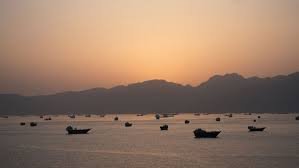
A New Geopolitical Weapon: The Strategic Weight of the Strait of Hormuz
Recent intelligence assessments from the United States have revealed a startling reality: Iran now possesses the capability to effectively shut down the Strait of Hormuz at will. This critical waterway is not just a geographical chokepoint; it is the jugular vein of the global energy market. For the regime in Tehran, this ability represents a strategic asset that some intelligence sources argue is more potent than any nuclear weapon.
The shift in power dynamics comes after a period of intense conflict, during which Iran demonstrated its ability to disrupt maritime traffic and target energy infrastructure in Gulf countries. This asymmetric capability has fundamentally altered the calculus of international diplomacy and economic stability.
The Miscalculation: How the US Underestimated the Risk
For years, Iran threatened to close the strait, but these were often viewed as empty gestures. However, recent events have proven otherwise. According to military insiders, the U.S. administration initially underestimated Iran’s willingness to take such a drastic step, believing that the economic fallout would hurt Tehran more than the West.
This miscalculation led to a strategy focused on military strikes against Iranian targets rather than the deterrence of a maritime blockade. The result? A scenario where the U.S. now finds itself negotiating intensively to keep the waters open, conceding a level of leverage that was previously unthinkable.
Beyond the Waterway: The “Nuclear Option” for Global Trade
While a framework agreement is currently in place to reopen the Strait of Hormuz, the danger is far from over. Intelligence suggests that Iran is keeping a “nuclear option” in its back pocket—not in the form of a bomb, but through economic sabotage.
- n
- The Houthi Proxy: Iran may leverage the Houthis in Yemen to close the Bab-el-Mandeb strait, another critical chokepoint connecting the Red Sea to the Indian Ocean.
- Asymmetric Arsenals: Tehran continues to build its military-industrial base, producing advanced drones and maintaining a fleet of fast boats and naval mines to harass shipping.
- Energy Infrastructure: The ability to conduct precision strikes on oil facilities remains a primary tool for asymmetric leverage.
Can a Diplomatic Agreement Ensure Long-Term Stability?
Current negotiations aim to create a mechanism that prevents the strait from being closed again. However, experts remain skeptical. While the U.S. maintains that relief and benefits for Iran will only follow a proven commitment to open traffic, the structural reality remains: Iran holds the key to one of the world’s most vital trade routes.
The global economy remains hypersensitive to any instability in this region. You can learn more about the impact of maritime chokepoints on global trade via the International Energy Agency (IEA), which tracks how energy security is intertwined with geopolitical stability.
Final Thoughts: A Fragile Balance
The ability to weaponize the Strait of Hormuz has given Iran an unprecedented tool for coercion. As the world watches the signing of new agreements, the core question remains: can diplomacy truly neutralize a physical capability? Until a permanent security architecture is established, the global economy will continue to operate under the shadow of Tehran’s maritime leverage.



