
A Decisive Moment for Public Broadcasting
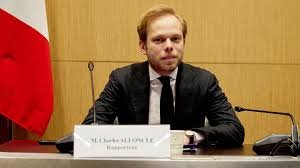
The fate of public broadcasting is hanging by a thread. After more than four months of intense deliberation, the commission d’enquête (parliamentary inquiry) into the neutrality, operation, and funding of public audiovisual services has reached its climax. On April 27, 30 deputies gathered for a high-stakes vote to determine whether the final report, penned by MP Charles Alloncle of the UDR party, would see the light of day.
This isn’t just a bureaucratic formality; it is a political battlefield. If approved, the report is set for release on May 4. If rejected, not only will the report remain hidden, but all recorded hearing videos will be scrubbed from the National Assembly’s website and archived, effectively erasing the public record of the investigation.
Leaks, Allegations, and “Fake News”
The process has been far from smooth. Despite a mandatory silence period before the final vote, several key recommendations have already leaked to the press. This breach of protocol has infuriated the rapporteur, Charles Alloncle, who took to the airwaves to defend his work.
Alloncle has accused left-wing and Macronist deputies of spreading “fake news” to discredit the inquiry. According to him, the strategy is simple: seed misinformation to justify a vote against the publication, thereby preventing the public from knowing the true contents of the 400-page document. He argues that in a healthy democracy, such recommendations should serve as a catalyst for debate, not a secret to be guarded.
The Blueprint for a Media Overhaul: What’s at Stake?
While the official report remains under wraps, the leaked details suggest a radical restructuring of the media landscape aimed at saving approximately one billion euros. The proposed measures are drastic:
- Channel Closures: The total removal of the youth-centric channel, France 4.
- Strategic Mergers: Combining France 5 with France 2, and merging franceinfo with France 24.
- Structural Consolidation: A proposed merger between France 3 and the ICI radios, as well as the integration of the INA (National Audiovisual Institute) with the BnF (National Library of France).
- Digital Cuts: The elimination of France TV Slash.
- Governance Shift: A return to the pre-2013 system, where the President of the Republic directly appoints the heads of public broadcasting.
To counter claims that he wants to strip the public of its cultural heritage, Alloncle clarified that he views events like the Tour de France, the Six Nations, and Roland Garros as “national monuments” that must remain accessible through public service broadcasting.
A House Divided: Censorship or Protection?
The divide within the National Assembly is stark. Some MPs describe the report as a “torrent of mud” rooted in “conspiratorial rhetoric,” claiming the entire inquiry was a sham. On the other side, some deputies support the publication—not necessarily because they agree with the proposals, but to prevent accusations of censorship.
As the debate continues, this inquiry highlights the ongoing tension between fiscal austerity and the preservation of independent, public-funded media. For more information on how parliamentary bodies function in democratic systems, you can visit the Official Website of the French National Assembly.



