
Understanding the Role of a President in the Modern Era
In the landscape of global politics, the term president carries immense weight. Whether it is a ceremonial head of state or an executive leader with sweeping powers, the presidency is often the most visible symbol of a nation’s sovereignty and direction. For those living in parliamentary systems, such as in Canada, the dynamics of a presidential system can seem vastly different, yet the core goal remains the same: effective governance and leadership.
From managing national security to steering economic policy, the role of a president has evolved significantly in the 21st century, adapting to a world that is more interconnected and digitally driven than ever before.
Presidential vs. Parliamentary Systems: What is the Difference?
To truly understand the impact of a president, it is essential to distinguish between the different structures of government. While many countries use the title, the actual power wielded varies greatly:
- n
- Executive Presidency: In countries like the United States or Brazil, the president serves as both the head of state and the head of government, holding significant executive authority.
- Ceremonial Presidency: In some republics, the president holds a largely symbolic role, while the actual political power resides with a prime minister.
- Semi-Presidential Systems: Countries like France balance power between a president and a prime minister, creating a dual-executive structure.
For a deeper dive into how these systems are structured globally, Britannica provides a comprehensive overview of presidential systems.
The Core Responsibilities of a Global Leader
A president’s daily agenda is a complex balancing act of domestic needs and international obligations. The key pillars of their responsibility include:
- Diplomatic Leadership: Representing the nation on the world stage, signing treaties, and fostering alliances to ensure regional and global stability.
- Legislative Influence: While they may not write every law, a president often sets the national agenda, urging legislatures to prioritize specific reforms or budgets.
- Crisis Management: In times of pandemic, natural disaster, or conflict, the president is the primary figure responsible for coordinating a national response.
- Commander-in-Chief: In many nations, the president holds the highest authority over the military, making critical decisions regarding national defense.
Challenges of Leadership in the Digital Age
Modern leadership is no longer confined to closed-door meetings. Today’s presidents must navigate the challenges of digital diplomacy and the rapid spread of information. The ability to communicate directly with citizens via social media has democratized access to leadership but has also increased the pressure for instant responses to complex problems.
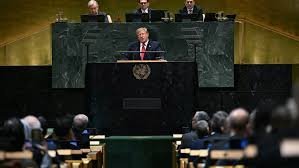
Furthermore, issues such as climate change and global health emergencies require a level of cooperation that transcends national borders. The United Nations serves as a critical hub where presidents and prime ministers collaborate to address these existential threats.
Conclusion: The Evolution of Presidential Power
Ultimately, the effectiveness of a president is not measured solely by the power they hold, but by how they exercise that power for the benefit of their people. As the world moves toward more transparent and accountable forms of governance, the expectation for presidential leadership continues to shift toward empathy, strategic foresight, and international cooperation.
Whether leading a superpower or a small republic, the essence of being a president lies in the ability to unite a diverse population under a shared vision for the future.



