
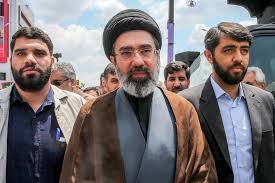
A Ghost in the Palace: The Enigma of Mojtaba Khamenei
For over six weeks, a profound silence has enveloped the leadership of one of the world’s most scrutinized nations. Following the assassination of his father, Mojtaba Khamenei was announced as the new supreme leader of Iran. Yet, in a move that has baffled diplomats and citizens alike, he has remained completely invisible.
While the Iranian regime faces what many describe as an existential threat, the man at the helm is conspicuously absent. Instead of the traditional public appearances and fiery rhetoric, the world is seeing a strange new era of governance: statements read by proxies and, most disturbingly, AI-generated videos used to deliver messages. This reliance on synthetic media has fueled intense speculation: Is the supreme leader of Iran incapacitated, in hiding, or perhaps even abroad?
A Stark Contrast in Leadership Styles
The current ambiguity stands in sharp contrast to the legacy of the late Ayatollah Ali Khamenei. The elder Khamenei was the omnipresent face of Iranian power; his speeches and rulings were the heartbeat of the state’s decision-making process. Mojtaba, however, seems to be operating from the shadows.
Conflicting reports have emerged regarding his status:
- n
- Health Concerns: Some sources suggest he suffered injuries, including a fractured foot and facial lacerations, during the same strikes that claimed his father’s life.
- Remote Governance: Other reports indicate he is actively participating in high-level decision-making via audio conferencing, particularly concerning the ongoing war and diplomatic ties with Washington.
Who is Actually Calling the Shots?
The central question remains: Is the office of the supreme leader of Iran functionally vacant? According to International Crisis Group expert Ali Vaez, the system may be using Mojtaba as a “protective shield.” By attributing key decisions to a leader who is “missing in action,” current negotiators can deflect internal criticism and avoid the micromanagement that characterized the previous administration.
This power vacuum has elevated other figures. Mohammad Bagher Ghalibaf, the long-serving parliament speaker and former IRGC commander, has emerged as a pivotal bridge between the military hardliners and the diplomatic corps. Alongside Foreign Minister Abbas Araghchi, Ghalibaf has become the visible face of the regime’s survival strategy.
The Geopolitical Tightrope: Trump and the Hardliners
From Washington, U.S. President Donald Trump has characterized the current state of affairs as a “regime change,” claiming the current negotiators are more “reasonable” than their predecessors. However, the reality on the ground in Tehran is far more complex.
The Iranian leadership is currently walking a dangerous tightrope, balancing two opposing forces:
- External Pressure: Managing the unpredictable public commentary of the Trump administration.
- Internal Pressure: Appeasing a hardline domestic base that views any compromise with the U.S. as a total surrender.
Conclusion: A Regime in Transition
As noted by analysts at the Institute for National Security Studies, Iran is evolving into a more decentralized and ideologically rigid system. Whether Mojtaba Khamenei is a puppet, a convalescent, or a strategic ghost, his absence serves a tactical purpose for the surviving political elite.
For now, the mystery of the supreme leader of Iran provides a convenient cover for a regime fighting for its life, proving that in the opaque world of Tehran’s politics, silence can be the most powerful tool of all.



