
The High Price of Protectionism: The LCBO and the Canada-US Trade Clash
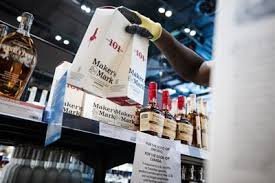
In a bold but controversial move in March 2025, Ontario Premier Doug Ford ordered the LCBO (Liquor Control Board of Ontario) to strip American-made alcohol from its shelves and wholesale catalogue. The goal was simple: use the LCBO’s purchasing power as leverage to pressure Washington to drop tariffs on Canadian exports. However, as the dust settles, it has become clear that this strategy was not a masterstroke of diplomacy, but a significant economic liability.
A Strategy That Backfired
The gamble did not pay off. Instead of bowing to the pressure, the United States responded with aggression. President Donald Trump announced staggering 50 per cent tariffs on nearly $20 billion of Canadian goods, including beer, wine, and spirits. In a twist of irony, Washington specifically cited provincial alcohol embargoes as a primary justification for these retaliatory measures.
While the policy was sold to the public as “leverage,” the reality is that the burden has fallen squarely on the shoulders of Canadian consumers. Those who enjoy a glass of California zinfandel or a pour of Kentucky bourbon are now facing the direct consequences of a trade war they didn’t start.
The Math Behind the Failure
One of the core arguments used by the Ontario government was that the LCBO is the world’s largest purchaser of alcohol, giving it immense market power. However, economics tells a different story:
- The U.S. Market Scale: In 2024, the U.S. spirits industry sold $37.2 billion domestically and exported $2.4 billion globally.
- Canada’s Share: Canada accounted for only $221 million of that total—roughly half of one per cent.
- Ontario’s Impact: Ontario’s share of that small percentage is even smaller, making the embargo a minor nuisance for the U.S. but a major headache for Ontarians.
Economic and Legal Consequences
Beyond the missing bottles on shelves, the financial toll is mounting. The province has spent approximately $8 million storing stockpiles, and millions of dollars worth of product have simply expired. Furthermore, the 2026 budget projections suggest a staggering $400 million drop in LCBO net income for the 2025-26 period, with the embargo listed as a key driver.
There is also a looming legal shadow. The CUSMA (Canada-United-States-Mexico Agreement) requires that distribution decisions be based on commercial considerations, not nationality. A categorical ban on U.S. products is difficult to defend under these rules, potentially giving Washington more excuses for “discrimination” tariffs under the Trade Act.
The Path Forward: Learning from the West
Ontario is not alone in its struggle, but other provinces have found a better way. Alberta and Saskatchewan ended their embargoes shortly after the U.S. exempted CUSMA-compliant goods. By returning to normal trade, they removed the pretext for retaliation and restored consumer choice.
The verdict is clear: Protectionism may offer narrow, visible benefits to a few local producers, but it creates diffuse, expensive costs for the general public. To restore economic stability and enter trade talks with “clean hands,” Ontario must end the LCBO embargo. Until then, the consumers will continue to pick up the tab.



