
Crisis in the Middle East: Where Does the Iran-Israel War Stand?
The geopolitical landscape of the Middle East remains volatile as the Iran-Israel war continues to evolve. With a complex web of diplomatic negotiations, strategic military strikes, and economic pressures, the world is watching closely to see if a sustainable peace is possible or if the region is sliding toward a larger confrontation.
Diplomatic Maneuvers: Is a Deal Within Reach?
Recent reports indicate a cautious move toward de-escalation. Iran has reportedly delivered its response to the latest U.S. proposal to end the conflict through a Pakistani mediator. Simultaneously, high-level meetings have taken place in Miami, where U.S. Secretary of State Marco Rubio and special envoy Steve Witkoff met with Qatar’s Prime Minister to discuss stability and security.
While U.S. President Donald Trump has expressed optimism that a deal is imminent, the reality on the ground remains fraught. The core points of contention include:
- The prevention of Iran developing nuclear capabilities.
- The restoration of full freedom of navigation in critical waterways.
- The cessation of hostilities between regional proxies.
The Strait of Hormuz: A Global Economic Chokepoint
One of the most critical flashpoints in the Iran-Israel war is the Strait of Hormuz. This narrow waterway is a vital artery for global energy, carrying approximately one-fifth of the world’s daily oil production and a significant portion of liquefied natural gas (LNG).
Iranian military officials have issued stern warnings to nations enforcing sanctions, suggesting that vessels may “face problems” when transiting the strait. According to the U.S. Energy Information Administration (EIA), there are very few alternative routes for oil moving out of the region, making any blockade a direct threat to global economic stability. The recent passage of a Qatari LNG tanker underscores the tension between Iranian sovereignty claims and international shipping rights.
Escalation in Lebanon and Regional Spillovers
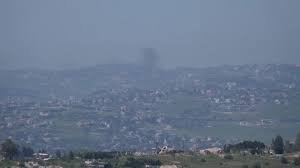
Despite an announced ceasefire, the conflict continues to bleed into Lebanon. Israeli airstrikes have recently resulted in significant casualties, including civilians and Hezbollah members. In retaliation, Hezbollah has claimed numerous attacks on Israeli forces, illustrating the fragility of the current truce.
Beyond Lebanon, the instability is spreading. Kuwait has reported “hostile drones” entering its airspace, while Iranian-backed militias in Iraq continue to target U.S. assets, further complicating the diplomatic efforts to bring a comprehensive end to the war.
Inside Iran: Leadership Shifts and Digital Blackouts
Internally, Iran is facing a period of intense transition and control. The country is currently enduring a severe internet blackout that has lasted over three months, severely restricting the public’s access to the outside world. This “two-tier” internet system allows the government to maintain essential services while silencing dissent.
Furthermore, the leadership transition following the death of Ayatollah Ali Khamenei has introduced new dynamics. New Supreme Leader Mojtaba Khamenei is reportedly shaping war strategy, though he faces opposition from the “Endurance Front” (Jebhe-ye Paydari)—a hardline faction that views any agreement with the U.S. as a betrayal of the 1979 revolution.
The Bottom Line for Global Markets
The economic ripple effects of the Iran-Israel war are already being felt. In the United States, gasoline prices have seen upward pressure, and consumer sentiment has hit record lows due to the prolonged uncertainty. As long as the Strait of Hormuz remains a tactical pawn, global markets will remain on edge.
For real-time updates on international security and conflict resolution, follow high-authority sources like Reuters to stay informed on the shifting alliances in the Middle East.



