
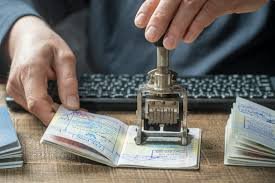
The Myth of the Borderless World
International tourism often sells us a dream: a world without borders, where open skies and new horizons are accessible to everyone. We are told that travel is about freedom and exploration. However, for millions of people, this promise is a facade. The reality is that your freedom to move is not determined by your desire to explore, but by the passport you hold.
The disparity in global mobility is stark. According to the Henley Passport Index (HPI), which ranks passports by their visa-free access, there is a massive gap between the “powerful” and the “weak.” While Singaporean citizens can enter nearly 192 destinations without a visa, Afghan nationals are limited to just 23. This isn’t just a matter of paperwork; it’s a reflection of economic stability, political alliances, and colonial legacies.
Beyond the Paper: The Psychological Toll of ‘Passport Apartheid’
For those holding low-ranking passports, the journey begins long before they reach the airport. The process is often a gauntlet of stress and uncertainty:
- n
- Arduous Applications: Months of navigating complex visa portals, gathering exhaustive documentation, and attending high-pressure interviews.
- The Risk of Rejection: Even with perfect paperwork, the fear of a summary denial looms large.
- Border Anxiety: The moment of crossing a border becomes a high-stakes emotional event rather than a simple formality.
Research suggests that travelers with weak passports often engage in what is called “performed innocence.” To avoid suspicion, they may soften their tone, over-smile, or meticulously over-explain their itineraries to project docility and prove they are “bona fide” tourists. This performance is a survival mechanism against a system that often views them through a lens of baseline suspicion based on race, gender, or nationality.
The Rise of the Digital Border: Algorithms and Bias
As we move toward a more digitized world, the nature of border control is shifting. We are seeing a transition from human discretion to algorithmic profiling. Systems like the EU’s biometric entry-exit checks and the UK’s Electronic Travel Authorisation (ETA) are streamlining the process for some, but adding layers of complexity for others.
The danger here is “invisible discrimination.” When bias is embedded into a computer code or a risk-profiling algorithm, it becomes significantly harder to challenge or overturn than a human decision. The burden of proof is shifting further onto the traveler, who must now carry a mountain of digital and physical evidence to prove their identity and intent.
Why Global Tourism Must Address Inequality
The travel industry measures success in arrivals and revenue, but it often ignores the structural inequalities that dictate who gets to arrive. Studies indicate that strict visa restrictions can deter tourism inflows by approximately 20%.
More importantly, the way a traveler is treated at the border shapes their entire perception of a destination. When a visitor is met with suspicion and condescension, it taints the experience, affecting whether they return or recommend the country to others. For the World Tourism Organization (UNWTO) and global stakeholders, recognizing this emotional and structural toll is essential for a truly inclusive tourism economy.
Final Thoughts
A passport should be a tool for connection, not a badge of status that determines your dignity at a border. Until we address the systemic inequalities of global mobility, the “borderless world” will remain a luxury reserved for the few, while others continue to navigate the exhausting reality of passport apartheid.



